General health information. Your doctor can help interpret it for your circumstances.
Buttons become awkward in the morning, rings feel tight around swollen fingers, or both wrists stay stiff after rest. Persistent swelling is useful information even when a previous blood test was described as normal.
Rheumatoid arthritis symptoms and swollen joints
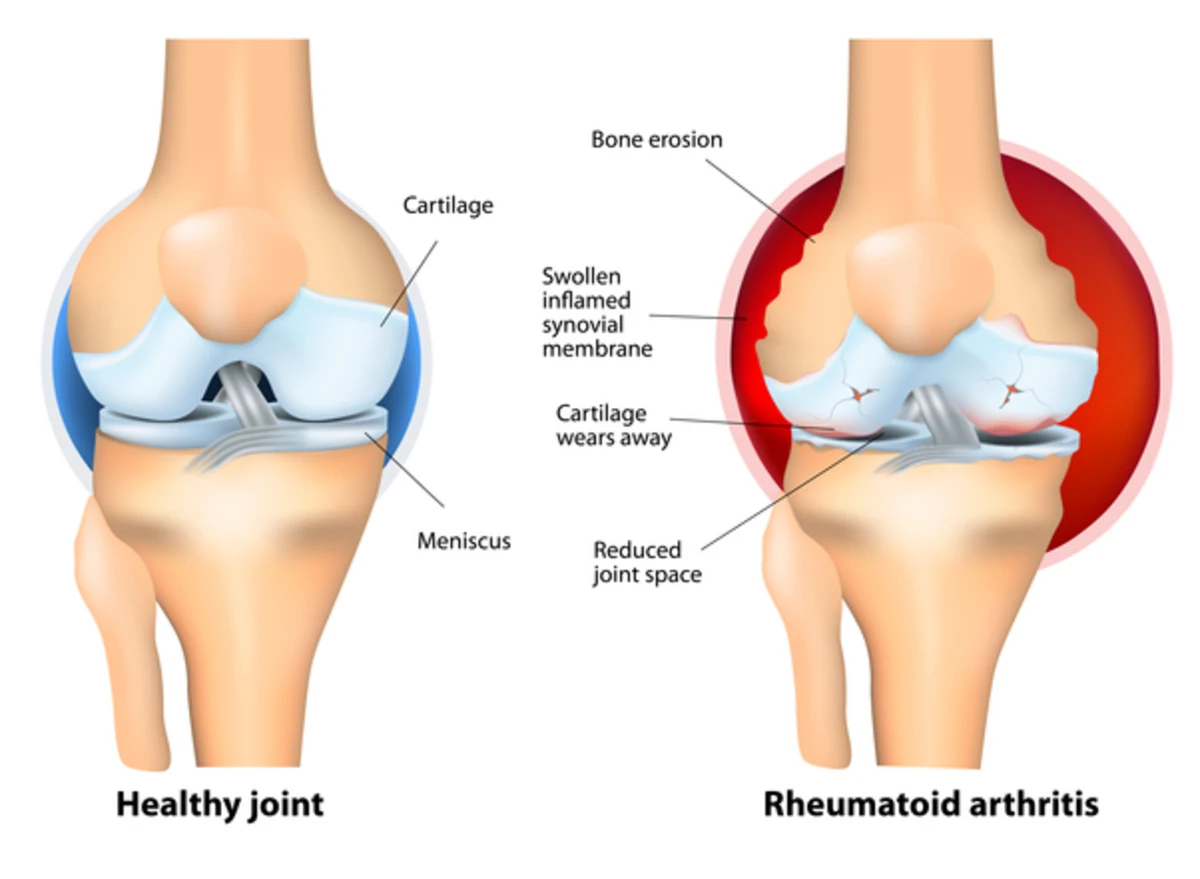
Rheumatoid arthritis, or RA, is an autoimmune condition causing joint inflammation that can damage cartilage and bone. It often affects the small joints of the hands, wrists and feet, although other joints may be involved. It can develop at different ages and is not simply part of ageing. [1]
Rheumatoid arthritis symptoms include painful, swollen joints and stiffness worse in the morning or after rest. Tiredness, reduced appetite or weight loss can occur. Persistent swelling deserves early medical assessment and prompt rheumatology referral when RA is suspected. Early treatment matters because joint damage can accumulate. [1]
Can my blood tests be normal and I still have rheumatoid arthritis?
Yes. Tests can support an assessment, but there is no single test that proves or rules out rheumatoid arthritis. A clinician considers which joints are affected, whether swelling persists and how symptoms behave after rest. Blood tests may look for inflammation or antibodies such as rheumatoid factor and anti-CCP, while imaging can help assess the joints. If you still have visible swelling or trouble using your hands, describe that clearly at follow-up. Do not take a normal result to mean that there is no reason for further examination or rheumatology advice. [2]
Why is early treatment different from just taking painkillers?
Rheumatoid arthritis can damage joints through ongoing inflammation. That is why prompt diagnosis and appropriate disease-modifying treatment matter, even if you can still manage everyday tasks. The aim is to control the disease as well as improve symptoms. Painkillers and anti-inflammatory medicines can have a supporting role, but they do not perform the same job as a DMARD. Tell your care team what you most need to regain: gripping a pen, dressing independently or walking comfortably. Those practical goals help put the effect of treatment into terms that matter beyond the blood results. [1] [3]
What each part of RA care is trying to do
Ask which role each medicine or appointment has in your plan.
| Part of care | Purpose |
|---|---|
| DMARD treatment | Reduce disease activity and help protect joints from damage. [1] |
| Pain treatment | Improve symptoms while considering the benefits and risks. [3] |
| Blood tests and reviews | Monitor disease and, for selected medicines, treatment safety. [3] |
| Physiotherapy or occupational therapy | Support movement, joint protection and everyday tasks. [3] |
A suddenly hot, very painful joint needs urgent assessment; infection should not be dismissed as an RA flare.
Rheumatoid arthritis blood tests and diagnosis
A doctor examines your joints and asks about symptom pattern and duration. Blood tests may check inflammation, rheumatoid factor and anti-CCP antibodies; imaging can assess inflammation or damage. No single blood test proves or excludes RA. Discuss ongoing swelling and the need for follow-up or specialist assessment even if results are normal. [2]
Rheumatoid arthritis treatment and DMARDs
Disease-modifying anti-rheumatic drugs, or DMARDs, are central to treatment. They reduce inflammation and slow joint damage. Your rheumatologist may select a conventional DMARD such as methotrexate, combinations or targeted treatments. Choices depend on disease activity, other conditions and treatment risks. [3]
Painkillers, anti-inflammatory medicines or a short course of corticosteroids may be used for symptoms or while a DMARD takes effect. Symptom relief alone does not replace disease-modifying treatment. Discuss the role and risks of each medicine rather than using additional pain relief without advice. [3]
DMARD monitoring and practical joint support
DMARDs take time to work. Follow prescribed instructions and attend monitoring appointments even when improvement is slow. Some treatments require blood tests; methotrexate can affect blood cells and the liver. Report side effects and ask whom to contact between appointments. [3]
Physiotherapy and occupational therapy can support movement and everyday tasks. Ask about exercises, joint protection and useful aids if dressing, work or household activities are difficult. These approaches complement medical treatment and can be adapted to your limitations and goals. [3]
Before a review, note which joints are troublesome and how symptoms affect tasks such as dressing, walking and gripping. Describing changes in function helps your team assess the impact of RA alongside examination and test results. [2]
When to seek help
A suddenly very painful, hot or swollen joint needs urgent assessment, particularly if movement is difficult or you feel unwell. A joint infection can occur without fever. People with RA or a weakened immune system have increased risk, so do not assume a new severe episode is only an RA flare. [4]
For a life-threatening emergency in Singapore, call 995. MOH emergency information.
Frequently asked questions
Is rheumatoid arthritis just wear and tear?
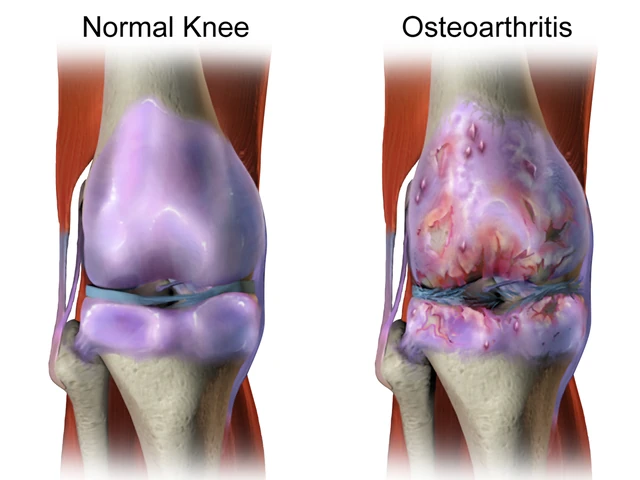
No. RA is an autoimmune inflammatory disease and can develop at different ages. The immune system drives joint inflammation, which can damage surrounding structures. It differs from osteoarthritis, so persistent swelling and prolonged stiffness deserve assessment rather than assuming they are an inevitable effect of ageing. [1]
Why am I still waiting for a DMARD to help?
Disease-modifying medicines can take time to work. Follow the prescribed plan and attend monitoring rather than stopping because there is little immediate improvement. Let the care team know about side effects or worsening symptoms so they can decide whether the plan needs adjustment. [3]
Should I seek help if my blood tests were normal?
Yes, if joint swelling persists or function is changing. Normal blood tests do not rule out rheumatoid arthritis, and a clinician may still recommend further assessment or specialist referral. Bring a clear account of which joints are swollen, when stiffness occurs and the effect on ordinary tasks. [2]
What can I ask at my appointment?
- Do I need prompt rheumatology assessment even if my blood tests are normal?
- What are the goals of my treatment, and which monitoring tests and symptoms should I keep track of?
Sources and evidence
Numbered references connect the information above to these clinical guidelines and patient resources. Access dates are listed with each source.
- Rheumatoid ArthritisNational University Health System · accessed 19 November 2026
- Rheumatoid arthritis: diagnosisNHS · accessed 19 November 2026
- Rheumatoid arthritis: treatmentNHS · accessed 19 November 2026
- Septic arthritisNHS · accessed 19 November 2026