General health information. Your doctor can help interpret it for your circumstances.
A wrist fracture after a small fall may heal, while the question about future bone health is left unanswered. A bone-health review looks at why the fracture happened and how to reduce the chance of the next one.
Osteoporosis symptoms and fragility fractures
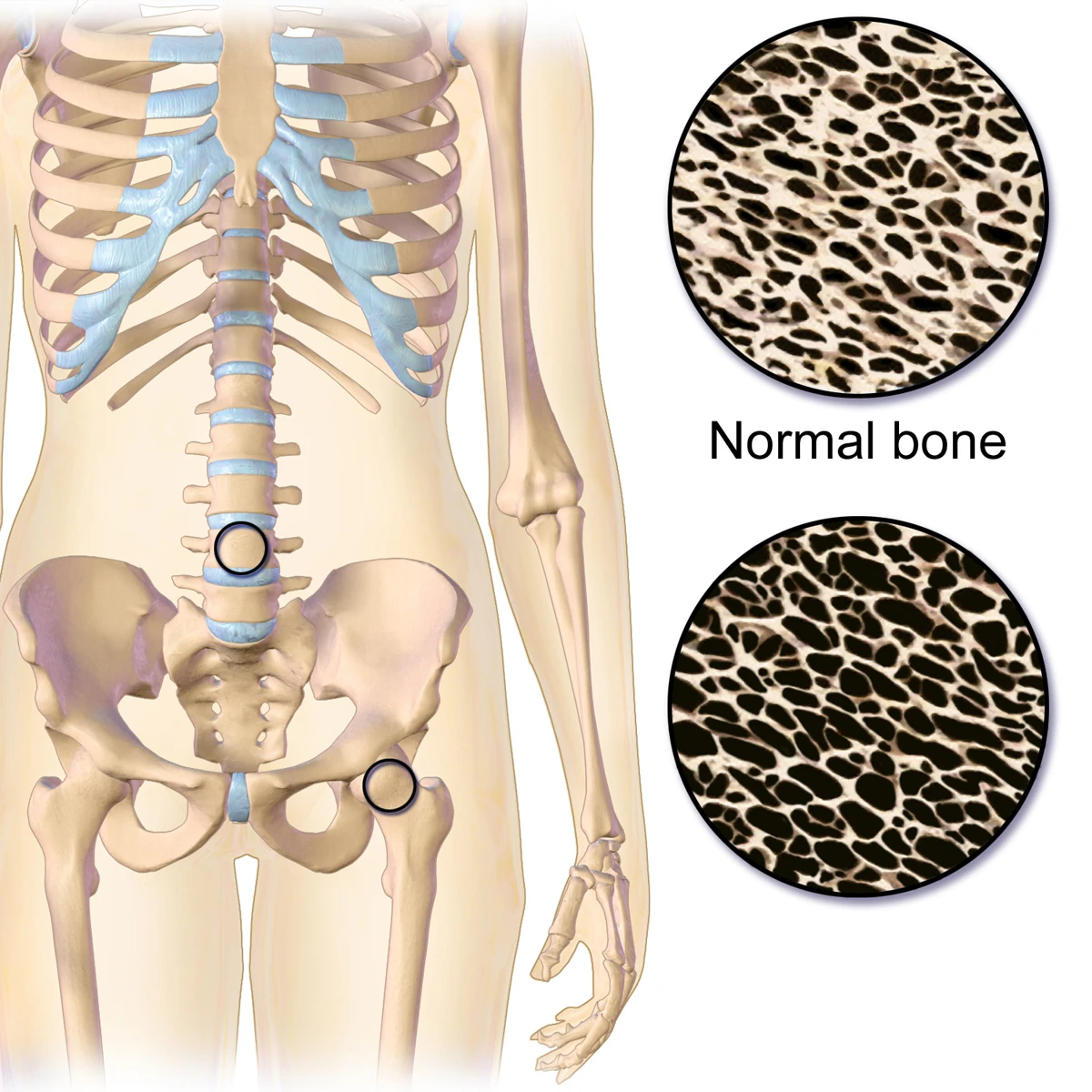
Osteoporosis weakens bone and increases fracture risk. It usually causes no symptoms before a bone breaks, sometimes after a minor fall or ordinary movement. Common fracture sites include the hip, spine and wrist. Risk increases with age and after menopause, but men are also affected. Certain illnesses and long-term steroid treatment increase risk. [1]
Is a bone-density scan the whole answer?
DXA measures bone mineral density, usually at the hip and spine, but the result is only one part of an assessment. Your clinician also needs to know about previous fractures, your family history, falls and medicines. A fracture following a minor event may be particularly important even if you have never had a scan. Bring earlier reports where available so changes can be interpreted sensibly. The question is not simply whether a number sits above or below a line: it is what your overall risk means for the next steps in fracture prevention. [2]
What can I change at home without making exercise unsafe?
Look at both bone health and the chance of falling. A balanced diet with enough calcium, vitamin D and protein supports bone care, while strengthening and balance work can help movement. Exercise should suit your abilities and any fracture history, so ask for advice if spinal fractures or pain limit you. At home, review lighting and items you might trip over, and consider whether bathroom supports are needed. Tell your care team about dizziness, poor balance or medicines that make you sleepy. Supplements are not a substitute for reviewing the whole plan. [3]
Four details that make a bone-health review more useful
A scan report is helpful, but bring the history around it.
| Detail | What to bring or describe |
|---|---|
| Previous fractures | Where the bone broke and how the injury happened. [1] |
| Falls and height changes | Recent falls, new back pain or getting noticeably shorter. [4] |
| Medicines and treatment timing | Your medicine list, past osteoporosis treatment and any delayed doses. [2] |
| Food and movement | Usual calcium-containing foods and activity limitations. [3] |
A suspected hip fracture after a fall needs emergency assessment; do not wait for a bone-density appointment.
Bone density tests, DXA scans and fracture risk
Tell your doctor about fractures, falls, height loss, family history and medicines. A hip and spine bone density scan, called DXA, may be recommended. A fragility fracture can itself establish osteoporosis; diagnosis is not based only on a scan number. Decisions also consider overall fracture risk and underlying causes. [2]
Bone health: calcium, vitamin D and fall prevention
Aim for a balanced diet with adequate calcium, vitamin D and protein. Food sources can include dairy products, calcium-fortified alternatives, tofu and suitable vegetables. Supplements may be needed when intake is insufficient or for another clinical reason, but the type and amount should be discussed with your clinician rather than assumed to suit everyone. [3]
Discuss weight-bearing activity, strengthening and balance exercises suited to your health and fracture history. A physiotherapist can advise on safe movement if you have spinal fractures or other limitations. At home, improve lighting, clear trip hazards and consider appropriate bathroom supports. Mention falls, poor balance and medicines that make you dizzy or sleepy. [3]
Osteoporosis treatment and medicines
Osteoporosis medicines aim to reduce fracture risk. Options include medicines that slow bone loss, such as bisphosphonates, and other treatments for selected patients. Your doctor considers fracture risk, kidney function, other illnesses, preferences and practical use. Lifestyle measures support treatment but do not replace medicine when indicated. [2]
Do not stop or delay denosumab without an agreed medical plan. Stopping can cause rapid bone loss and increase spinal fracture risk, so a clinician may need to arrange another treatment. [2]
Osteoporosis reviews and repeat DXA scans
Reviews check treatment use and new fractures or risk factors. Ask when another DXA scan would be useful and what changes would alter treatment. Report a fracture occurring on medication rather than waiting for the next scan. [2]
New back pain, getting shorter or a more hunched posture can be signs of a spinal fracture. Arrange an assessment instead of attributing these changes automatically to ageing. [4]
When to seek help
Seek emergency assessment for severe hip pain after a fall or an inability to stand or bear weight on the leg. Avoid trying to walk on a possible hip fracture or driving yourself to hospital. A fracture needs assessment even after a seemingly minor fall. [5]
For a life-threatening emergency in Singapore, call 995. MOH emergency information.
Frequently asked questions
Can men get osteoporosis?
Yes. Osteoporosis affects men as well as women, and fracture risk is influenced by age, illness, medicines and other factors. It is worth discussing bone health when a man has had a fracture after a minor fall or has relevant risk factors, rather than treating it as a women-only condition. [1]
Does calcium replace osteoporosis medicine?
Adequate nutrition supports bone health, but it does not replace medication when needed to lower fracture risk. Ask whether your diet provides enough calcium, vitamin D and protein and whether a supplement would help. Treatment decisions should follow an assessment rather than a supplement advert. [3]
What if my osteoporosis injection is delayed?
Contact the prescribing team for advice rather than quietly missing the dose. This is particularly important with denosumab: stopping or delaying treatment without an agreed plan can increase spinal fracture risk. A clinician may need to arrange another treatment, so decisions about timing should be made with the care team. [2]
What can I ask at my appointment?
- What is my overall fracture risk, and is a DXA scan or treatment appropriate?
- What is my long-term medicine and follow-up plan, including what to do if a dose or appointment is delayed?
Sources and evidence
Numbered references connect the information above to these clinical guidelines and patient resources. Access dates are listed with each source.
- Osteoporosis: overview, symptoms and causesNational Institute of Arthritis and Musculoskeletal and Skin Diseases, NIH · accessed 19 November 2026
- Osteoporosis: diagnosis and managementAgency for Care Effectiveness, Ministry of Health Singapore · accessed 19 November 2026
- Osteoporosis: Diagnosis, Treatment, and Steps to TakeNational Institute of Arthritis and Musculoskeletal and Skin Diseases, NIH · accessed 19 November 2026
- OsteoporosisNHS · accessed 19 November 2026
- Broken hipNHS · accessed 19 November 2026