General health information. Your doctor can help interpret it for your circumstances.
A chair feels harder to get out of, the walk to the shops needs more breaks, or sore fingers slow down cooking. Those everyday limitations help define what a joint-care plan should try to improve.
Osteoarthritis symptoms: joint pain and stiffness
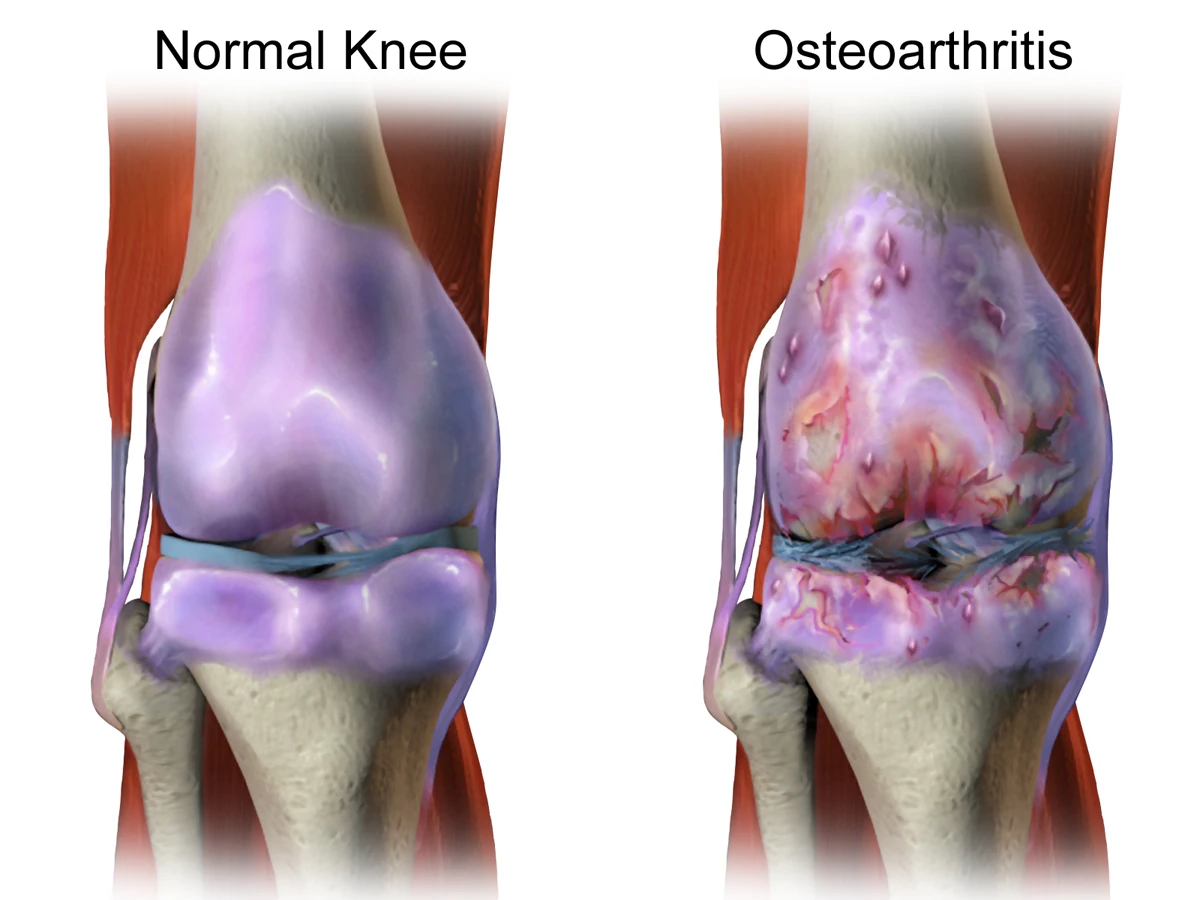
Osteoarthritis is a long-term condition involving changes within joints. Osteoarthritis symptoms can include pain, stiffness, swelling and reduced movement, often during activity or towards the end of the day. The impact varies: some people mainly notice discomfort, while others find walking or everyday tasks difficult. [1]
How can I tell whether my joint-care plan is working?
Choose a task that matters: getting off a chair, using the stairs or holding a saucepan. Note whether it becomes easier, pain interrupts sleep less often, or you need fewer stops during a familiar walk. These measures make progress understandable. Osteoarthritis affects people differently, and treatment that suits one person may not suit another. Bring a list of treatments already tried, how long you used them and any unwanted effects, so the next decision builds on that experience. [1] [3]
Will exercising wear my knees out faster?
For knee osteoarthritis, appropriately selected exercise is a mainstay of care. Strength and aerobic activity can support pain and function, with balance or flexibility work added according to your needs. If you are unsure how to begin, ask for an individual plan or physiotherapy advice instead of pushing through an unfamiliar routine. The starting level should be manageable and the plan reviewed as you progress. Weight management may also help when relevant. The purpose is to make ordinary movement easier and sustainable; it is not a test of how much pain you can tolerate. [2]
Turn a general goal into something you can review
Use your own starting point; these are examples of goals to discuss.
| Everyday difficulty | Useful detail to track |
|---|---|
| Walking to the shops | Distance, number of stops and how pain changes afterwards. [3] |
| Getting dressed or preparing food | Which movement or grip is difficult and what aids help. [1] |
| Pain treatment | Benefit, side effects and whether it helps you stay active. [2] |
New severe pain, a hot swollen joint or a substantial change in function needs assessment rather than only a new exercise goal.
Osteoarthritis diagnosis: do you need an X-ray?
A doctor can often diagnose osteoarthritis from your symptoms and an examination. An X-ray is not routinely necessary for a typical presentation, and the amount of change on a scan does not reliably show how much pain you have. Imaging may be useful when symptoms are unusual, another condition is suspected or surgery is being considered. [2]
Osteoarthritis exercises and movement
An exercise plan should match your abilities, preferences and goals. Strengthening, aerobic activity, flexibility and balance work may all have a role, particularly for knee osteoarthritis. Start at a manageable level and ask for guidance if you are unsure. If you are overweight, gradual weight management can be discussed alongside exercise rather than through restrictive crash diets. [2]
Physiotherapy can help with movement and strength. An occupational therapist may advise on joint protection, splints or aids for daily tasks. A walking aid may help, but its type and fit should suit your needs. Discuss these options before considering more invasive treatment. [1]
Osteoarthritis treatment and pain relief
For knee osteoarthritis, a topical anti-inflammatory medicine may be offered to support activity and exercise. Oral anti-inflammatory medicines may be considered when suitable, usually for short courses. Your clinician needs to weigh other illnesses, medicines and risks such as stomach bleeding. Injections may provide short-term relief for selected patients; discuss what they can realistically achieve. [2]
Joint replacement or other surgery may be considered when pain and loss of function remain substantial despite appropriate non-surgical care. A specialist considers your symptoms, limitations and health. Discussing surgery does not mean it is your only option or that an operation is inevitable. [1]
Reviewing joint pain and daily function
At follow-up, describe changes in sleep, walking, work and activities such as getting out of a chair. Bring a record of treatments tried and any side effects. Tell your clinician if pain is worsening or swelling keeps returning, rather than assuming every new symptom is simply osteoarthritis. [3]
When to seek help
A suddenly hot, swollen joint, especially with fever or feeling unwell, needs urgent assessment for causes such as infection. Severe pain after an injury, a joint that looks out of place, or inability to walk or bear weight needs emergency assessment. Do not assume these are an ordinary osteoarthritis flare. [3]
For a life-threatening emergency in Singapore, call 995. MOH emergency information.
Frequently asked questions
Do I need an X-ray before treatment can start?
Not always. Symptoms and examination may support a clinical diagnosis. Imaging can help when symptoms are unusual, another diagnosis is suspected or surgery is planned. Knee X-ray changes do not reliably measure pain. [2]
Does osteoarthritis always keep getting worse?
The course and impact vary between people and joints. Treatment is reviewed according to pain, function and the effect on daily life. A change in symptoms deserves discussion, especially if swelling keeps returning, rather than assuming that deterioration is inevitable or that every new pain has the same cause. [1] [3]
Are anti-inflammatory painkillers safe for everyone?
No. Suitability depends on other conditions and medicines, as well as risks such as stomach bleeding. A clinician may consider a topical treatment or a limited oral course when appropriate. Discuss what benefit to expect, how long to use it and what side effects should prompt advice. [2]
What can I ask at my appointment?
- Which exercises and daily activity goals are suitable for my joints?
- What pain treatment is safest with my other conditions, and when should we reconsider the plan?
Sources and evidence
Numbered references connect the information above to these clinical guidelines and patient resources. Access dates are listed with each source.
- OsteoarthritisNational University Health System · accessed 19 November 2026
- Management of knee osteoarthritis – a joint effort with patientsAgency for Care Effectiveness, Ministry of Health Singapore · accessed 19 November 2026
- Joint painNHS · accessed 19 November 2026