General health information. Your doctor can help interpret it for your circumstances.
Walking to the bus stop has become harder, or an existing angina episode is happening with less effort than before. That change is useful information for your care team. New, severe or persistent chest discomfort needs emergency assessment, not a wait for a routine heart-health review.
Coronary artery disease and angina symptoms
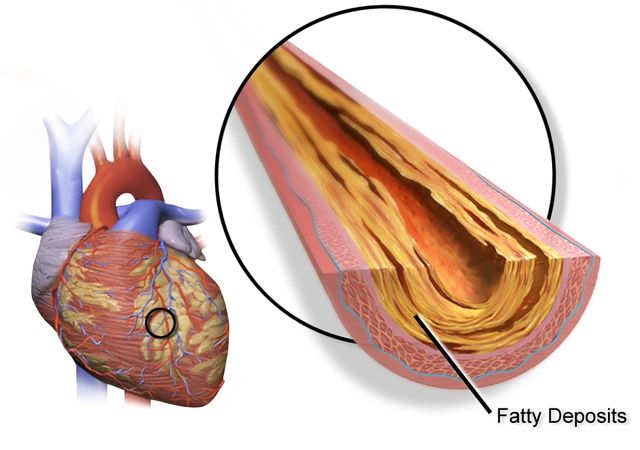
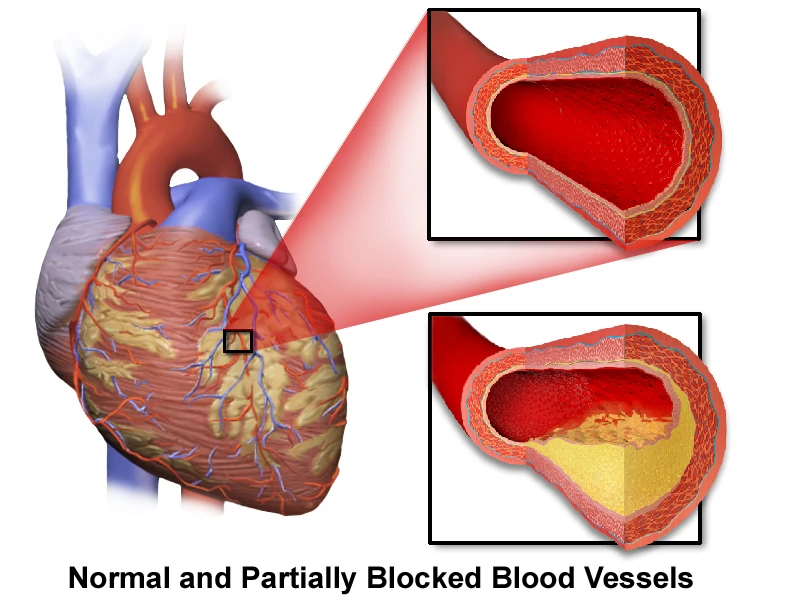
Ischaemic heart disease occurs when the heart muscle receives too little oxygen-rich blood, commonly because fatty deposits narrow the coronary arteries. It is often called coronary artery disease. A sudden blockage can cause a heart attack, while reduced blood flow may cause episodes of angina. [1]
Angina may feel like chest heaviness, tightness or pressure, sometimes spreading to an arm, the jaw, neck or back. It can occur with exertion or stress. Some people notice breathlessness or reduced exercise tolerance; others have restricted blood flow without obvious symptoms. [1]
Which symptom changes should I tell my doctor about?
For an established, stable condition, note what brings on discomfort, how it feels and whether the usual prescribed treatment works. Mention needing to stop sooner during familiar activities, symptoms becoming more frequent or a change from the pattern your team has explained. These details help a clinician decide whether your condition and treatment need reassessment. [3]
This record is not a home test for a heart attack. New, severe or persistent discomfort, especially with sweating, breathlessness, nausea or faintness, needs urgent help. Stop activity and call an ambulance; do not drive yourself. Follow any individual emergency instructions already given for prescribed angina-relief medicine. [4] [3]
Why does treatment continue after a heart procedure?
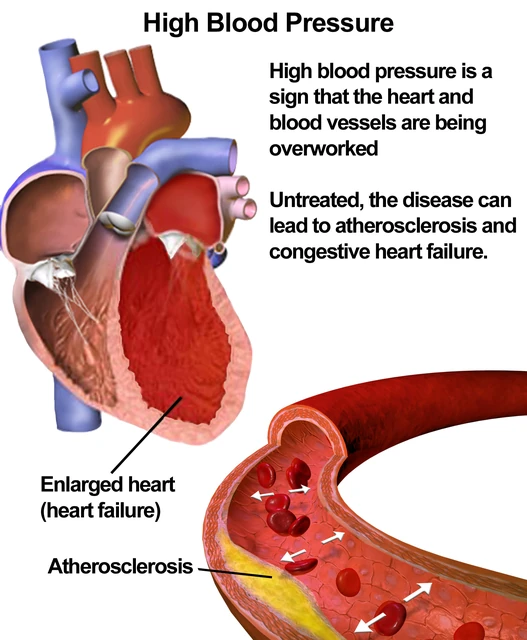
Angioplasty, a stent or bypass surgery may improve blood flow for selected people, but the underlying cardiovascular disease still needs attention. Medicines, smoking cessation and management of cholesterol, blood pressure and diabetes remain relevant. Your follow-up should explain which medicines are for symptoms and which protect against future events. [1] [3]
Recovery also includes returning to daily activities safely. After a heart attack, ask about cardiac rehabilitation and when work, exercise and driving are appropriate for you. Bring concerns about fatigue, side effects or activity limits to review rather than quietly avoiding all exertion or testing yourself with a strenuous workout. [4]
Know the purpose of your heart-care plan
Ask your treating team to explain these parts in plain language.
| Part of the plan | What to clarify |
|---|---|
| Angina-relief instructions | When and how to use prescribed treatment and when to call an ambulance. [3] |
| Preventive medicines | What each medicine does and which side effects to report. [3] |
| Activity and rehabilitation | What is appropriate during your recovery and who will guide progression. [4] |
Do not use a routine booking or a symptom diary to delay emergency care for possible heart attack symptoms.
Tests for suspected ischaemic heart disease
Assessment starts with the pattern of symptoms, medical and family history, cardiovascular risk factors and examination. Tests may include an ECG, an ultrasound of the heart, stress testing or imaging of the coronary arteries. The choice depends on the clinical situation; not everyone needs every test. [2]
Possible heart attack symptoms need emergency assessment rather than a routine outpatient investigation. Heart attacks do not always cause classic crushing chest pain. Breathlessness, cold sweating, nausea, faintness or discomfort in the jaw, back or arms can also occur. [4]
Angina and coronary artery disease treatment
For stable angina, some medicines prevent or relieve symptoms; others reduce the risk of future cardiovascular events. Treatment may include anti-anginal medicine, a statin and an antiplatelet medicine when appropriate. Choices account for other conditions and bleeding risk. Ask for clear instructions for any prescribed angina-relief medicine. [3]
Some people need an angioplasty with a stent or coronary bypass surgery. These treatments are considered according to symptoms and the severity and pattern of disease. Lifestyle changes and prescribed medicines remain part of care, including after a procedure. [1]
Heart disease follow-up and cardiac rehabilitation
Discuss stopping smoking, food choices, weight management and safe physical activity. Follow-up should review symptom control, medicine adverse effects and blood pressure and cholesterol management. Tell your doctor about increasing angina or reduced ability to do usual activities rather than waiting for a scheduled review. [3]
After a heart attack, cardiac rehabilitation can provide supervised exercise, education and support. Ask when it is safe to return to work, driving and other activities; this depends on your condition and recovery. [4]
When to seek help
Call an emergency ambulance for new, severe or persistent chest discomfort, especially with breathlessness, sweating, nausea or faintness. Stop activity and do not drive yourself. For known angina, follow your prescribed emergency plan and seek urgent help if pain does not settle as expected. [4] [3]
For a life-threatening emergency in Singapore, call 995. MOH emergency information.
Frequently asked questions
Can coronary artery disease occur without obvious chest pain?
Yes. Some people have reduced exercise tolerance, breathlessness or discomfort in areas such as the jaw, back or arm. Others have no obvious symptoms. The pattern and medical assessment guide investigation; the absence of classic crushing chest pain does not safely exclude a heart attack. [1] [4]
Does everyone need an angiogram or stent?
No. Investigation and treatment depend on the symptoms, clinical situation and pattern of disease. Some people are managed with medicines and lifestyle measures; selected people need further imaging or a procedure. Your care team should explain what a proposed test is expected to establish and how it could change treatment. [1] [2] [3]
Can I stop my medicines if my angina settles?
Do not stop prescribed treatment on that basis. Some medicines reduce future cardiovascular risk even when you have no discomfort. Discuss side effects, missed doses or a wish to simplify treatment with your team so changes account for the purpose of each medicine and your individual risk. [3]
What can I ask at my appointment?
- Which medicines control my symptoms, and which reduce future cardiovascular risk?
- What is my chest-pain action plan, and which activities or rehabilitation are appropriate?
Sources and evidence
Numbered references connect the information above to these clinical guidelines and patient resources. Access dates are listed with each source.
- Coronary Artery DiseaseSingHealth / National Heart Centre Singapore · accessed 19 November 2026
- Coronary Artery Disease (Heart Disease)National University Heart Centre, Singapore · accessed 19 November 2026
- Stable angina: management (CG126)National Institute for Health and Care Excellence · accessed 19 November 2026
- Heart Attack (Myocardial Infarction)SingHealth / National Heart Centre Singapore · accessed 19 November 2026