General health information. Your doctor can help interpret it for your circumstances.
A cholesterol result is flagged on your report, but a friend with a similar number has been given a different plan. That can be appropriate: treatment decisions depend on the person behind the result, including their existing health conditions and cardiovascular risk.
High cholesterol and other lipid disorders
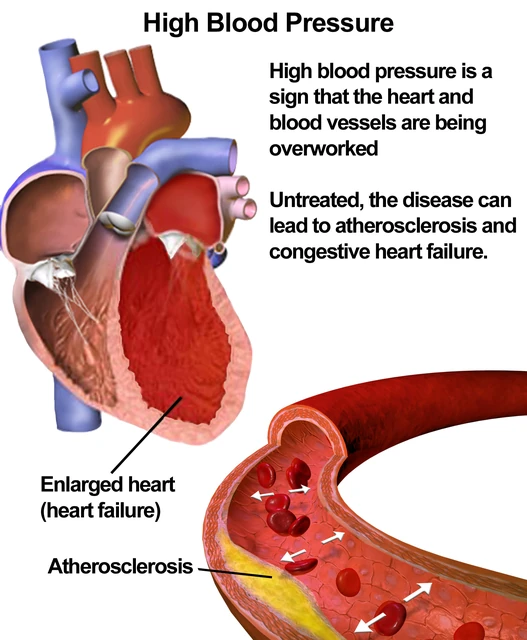
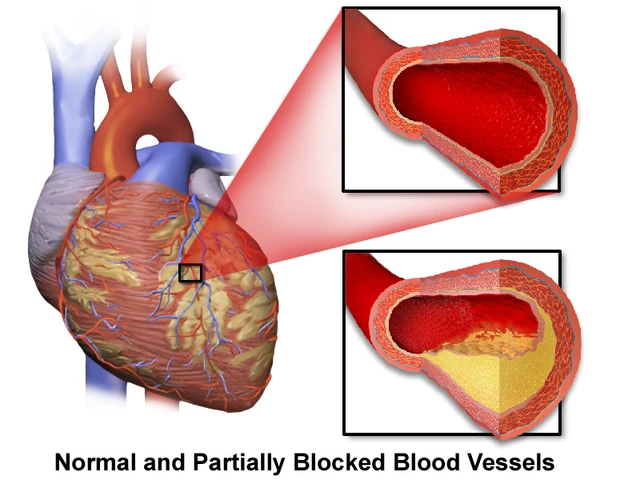
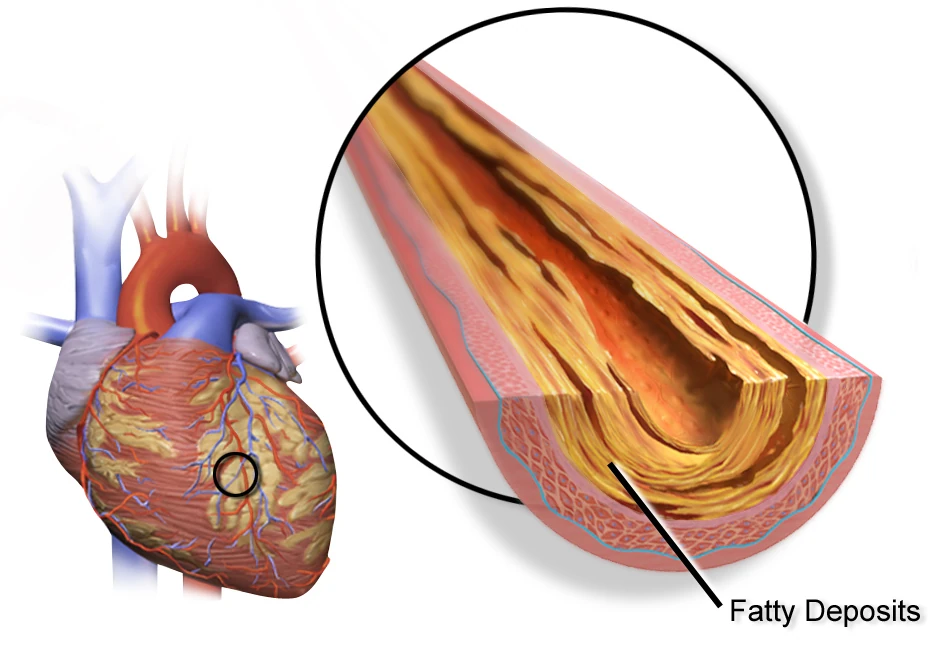
Hyperlipidaemia, or a lipid disorder, means levels of cholesterol or other fats in the blood are outside the desired range. High LDL cholesterol contributes to the risk of heart and blood-vessel disease. Triglycerides are another type of blood fat measured in a lipid blood test. [1]
Most lipid disorders do not cause symptoms. A person can have raised cholesterol while feeling healthy, and appearance or fitness cannot replace testing. Some risk factors, including age and family history, cannot be changed; diet, weight and physical activity also influence lipid levels. [1]
Why is the plan different from someone else's?
Your doctor is trying to reduce the likelihood of a future cardiovascular event, rather than simply make the laboratory report look normal. Someone who has already had a heart attack or ischaemic stroke starts from a different risk position. Diabetes, kidney disease, smoking, blood pressure and family history also affect the discussion. [2]
This is why a laboratory reference range and a treatment goal are not always the same thing. Ask what your LDL result means in your circumstances and what benefit treatment is expected to offer. Mention early heart disease in close relatives or previous very high results, because an inherited lipid disorder may need consideration. [1] [2]
Which everyday food changes are worth discussing?
Start with a repeatable pattern rather than a temporary ban on every favourite food. Discuss how to replace some saturated fats with unsaturated fats and include more fibre. For meals bought outside, useful questions include how the food is cooked, whether vegetables or wholegrains can be added, and how often richer foods appear across the week. [3]
A workable plan also accounts for appetite, budget and other conditions. Bring an honest account of your usual meals instead of only describing the healthiest day. If medication is recommended, continue the food and activity changes: they serve related purposes and should be reviewed together. Report suspected medicine side effects so alternatives can be considered. [2] [3]
Read the lipid report as part of a bigger picture
Use the report to open these discussions rather than focus only on the total cholesterol number.
| Item to discuss | Question to ask |
|---|---|
| LDL cholesterol | What goal is appropriate for my cardiovascular risk? [2] |
| Triglycerides and the rest of the lipid profile | Do these results change the assessment or follow-up? [1] [2] |
| Previous results and current treatment | Has the pattern improved, and is treatment well tolerated? [2] |
A cholesterol test is a risk assessment tool. It cannot rule out a heart attack when someone has concerning acute symptoms.
Understanding your lipid profile and LDL cholesterol
Your doctor considers the lipid profile together with smoking, blood pressure, diabetes, kidney disease, previous heart disease or stroke, and family history. Treatment is based on overall cardiovascular risk. A suitable LDL goal for one person may not be the right goal for another. [2]
Cholesterol goals are guides for individual care, rather than guarantees against heart attack or stroke. Existing disease, medicine tolerability, frailty and other health priorities affect decisions. Ask your doctor to explain what the results mean for your circumstances, including whether an inherited lipid disorder needs consideration. [2]
Cholesterol treatment: food, activity and medicines
Build meals around vegetables, fruit, wholegrains and suitable protein choices. Replacing saturated and trans fats with unsaturated fats, choosing higher-fibre foods and limiting refined sugars can support lipid management. Work towards a healthy weight and regular activity that you can maintain, with advice tailored to your needs. [3]
Statins are commonly used when medication is indicated. People at higher cardiovascular risk often need medicines alongside lifestyle changes. Other lipid-lowering treatments may be added or considered when the response is insufficient or a statin is not tolerated. The expected benefits and possible harms should be discussed. [2]
Cholesterol blood tests and follow-up
Repeat blood tests and reviews assess progress, medicine tolerability and changing risk factors. Report new muscle symptoms or other concerns so that they can be assessed and treatment adjusted if needed. An improved result does not by itself mean prescribed treatment should end. [2]
Healthy eating and activity remain useful alongside medicines. Choose changes you can repeat in everyday life, and ask for help if food choices, work patterns or weight management make the plan difficult to sustain. [3]
When to seek help
Seek emergency help for sudden chest pain or pressure with breathlessness, sweating or faintness. Sudden weakness, speech difficulty or vision change also needs emergency assessment. Do not wait for a cholesterol test or routine review. [4] [5]
For a life-threatening emergency in Singapore, call 995. MOH emergency information.
Frequently asked questions
Can a fit person still have high cholesterol?
Yes. Appearance and exercise habits do not reliably show your cholesterol level. Age, family history and other factors can contribute alongside diet and activity. A blood test and an assessment of overall cardiovascular risk are more useful than judging risk from body size or fitness alone. [1] [2]
Will diet alone be enough?
That depends on the results and your cardiovascular risk. A trial of lifestyle changes may be suitable for some people, while those at higher risk often need medicine alongside those changes. Agree a follow-up plan with your doctor so the response can be assessed rather than assuming one approach suits everyone. [2] [3]
What if I develop muscle symptoms while taking a statin?
Tell your clinician so the symptoms, other medicines and treatment plan can be assessed. Symptoms do not automatically establish that the statin is the cause, and treatment options can be reconsidered when necessary. The review should consider both tolerability and your need for cardiovascular risk reduction. [2]
What can I ask at my appointment?
- How do my lipid results affect my overall cardiovascular risk?
- What benefits, adverse effects and follow-up should I expect from the treatment you recommend?
Sources and evidence
Numbered references connect the information above to these clinical guidelines and patient resources. Access dates are listed with each source.
- Lipid disordersSingapore General Hospital / SingHealth · accessed 19 November 2026
- Lipid management: focus on cardiovascular riskAgency for Care Effectiveness, Singapore · accessed 19 November 2026
- Understanding Fats and CholesterolNHG Health · accessed 19 November 2026
- Heart Attack (Myocardial Infarction)SingHealth / National Heart Centre Singapore · accessed 19 November 2026
- Getting medical helpMinistry of Health Singapore · accessed 19 November 2026