General health information. Your doctor can help interpret it for your circumstances.
Your screening report mentions prediabetes, but you feel well. Or you already have diabetes and are unsure why your doctor asks about your feet, kidneys and cholesterol as well as your blood sugar. The useful starting point is understanding what each part of the care plan is trying to prevent.
Type 1 diabetes, type 2 diabetes and prediabetes
Prediabetes means blood glucose is above the normal range but below the range used to diagnose diabetes. It increases the risk of type 2 diabetes and usually causes no symptoms. Healthy changes can delay progression, but blood tests and follow-up remain important. [1]
- Type 1 diabetes is an autoimmune condition in which insulin-producing cells are damaged. It is not caused by diet or lifestyle and requires insulin treatment. [1] [6]
- Type 2 diabetes involves reduced response to insulin and problems maintaining normal glucose levels. Its management is individualised; some people need glucose-lowering medicines, including insulin, alongside healthy habits. [1] [5]
What should I do after an abnormal screening result?
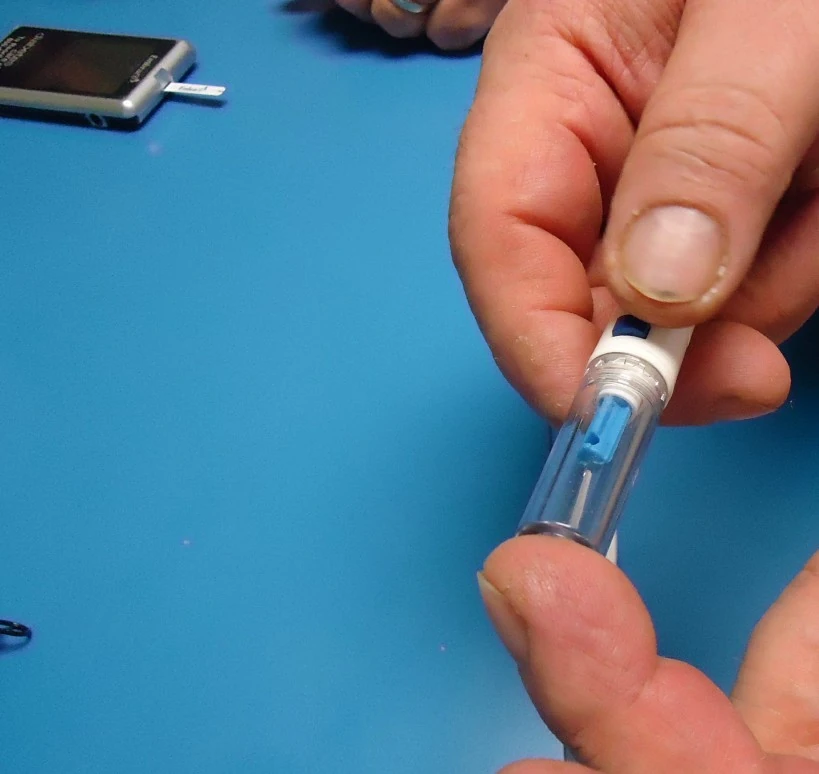
Bring the actual report, including whether the sample was fasting, instead of relying on a photograph of one highlighted number. Your doctor needs the test type, your symptoms and sometimes a confirmatory test. A finger-prick reading taken at home is useful information, but it is not a substitute for the laboratory assessment used to diagnose diabetes. [3]
If the result is prediabetes, use the review to choose changes you can sustain. A shift worker and someone eating most meals at home may need different practical plans. Ask which result will be rechecked, when the review is due and whether your risk factors make medicine worth discussing. [4]
How do I make diabetes follow-up useful?
A review works best when it includes what happens between appointments. Note low glucose episodes, missed doses, difficulty getting meals on time and any medicine effects. These details help explain a result that otherwise looks like a simple success or failure. Your targets should take account of the risks and practicalities of treatment. [5] [8]
Ask for a written illness plan before you need it. Fever, vomiting or poor intake can make diabetes management more difficult, and insulin users need particular advice. Make sure a family member knows what to do if you become confused or cannot safely swallow. Do not give food or drink to an unconscious person. [6] [7]
What to bring to a diabetes review
Use this checklist to turn your next appointment into a discussion about everyday care.
| Bring or record | Why it helps |
|---|---|
| Recent laboratory reports | Shows the test used and the pattern over time. [3] [8] |
| Glucose readings and low-reading symptoms, if monitoring was advised | Helps your team assess treatment safety as well as average control. [6] [8] |
| Medicines and difficulties with meals, activity or doses | Makes the plan easier to adapt to your routine. [5] |
The monitoring schedule is individual; frequent finger-prick testing is not automatically necessary for everyone with type 2 diabetes.
Diabetes symptoms and blood glucose tests
Diabetes symptoms may include thirst, frequent urination, tiredness, blurred vision, unexplained weight loss or slow-healing wounds. Type 2 diabetes may have few obvious symptoms. Symptoms alone cannot establish the diagnosis or reliably distinguish type 1 from type 2. [2]
Your doctor considers symptoms and risk factors and arranges laboratory tests, such as fasting blood glucose or an oral glucose tolerance test. HbA1c reflects average glucose over several months, but is unsuitable in some circumstances. A second test may be needed for confirmation; additional tests can help clarify the diabetes type. [3]
Diabetes treatment, HbA1c monitoring and follow-up
For prediabetes, agree practical changes to food choices, physical activity and weight management where appropriate. The plan should fit your health, work and budget. Medicine may be considered for selected people after assessment; it is not automatically needed for everyone. [4]
For diabetes, combine prescribed treatment with a suitable eating plan, activity and emotional support. Take medicines as directed. Insulin helps manage glucose; it does not remove the need for continuing diabetes care. [5]
Agree your monitoring schedule and personal targets. HbA1c and home glucose readings provide different information, and not everyone with type 2 diabetes needs the same home-testing routine. Keep appointments for complication screening and ask for a written plan for illness, low glucose and when to seek help. [8] [6]
When to seek help
Seek emergency help for vomiting with abdominal pain, difficult breathing, marked drowsiness or confusion, which can indicate a glucose emergency. If someone with suspected low glucose is drowsy or unconscious, call an ambulance and do not give food or drink by mouth. [6] [7]
For a life-threatening emergency in Singapore, call 995. MOH emergency information.
Frequently asked questions
Can I have diabetes without symptoms?
Yes. Type 2 diabetes and prediabetes may be found through testing before obvious symptoms develop. Feeling well does not tell you whether glucose is in a healthy range. Ask your doctor which blood test is appropriate and whether an abnormal screening result needs confirmation. [1] [2] [3]
Does an improved HbA1c mean I can stop medicine?
An improved result may reflect the combined effect of treatment and daily habits. It does not automatically mean prescribed medicine is no longer needed. Discuss any reduction with your treating clinician, especially if you have low readings. Type 1 diabetes requires continuing insulin treatment. [5] [6] [8]
Why are blood pressure and cholesterol part of diabetes care?
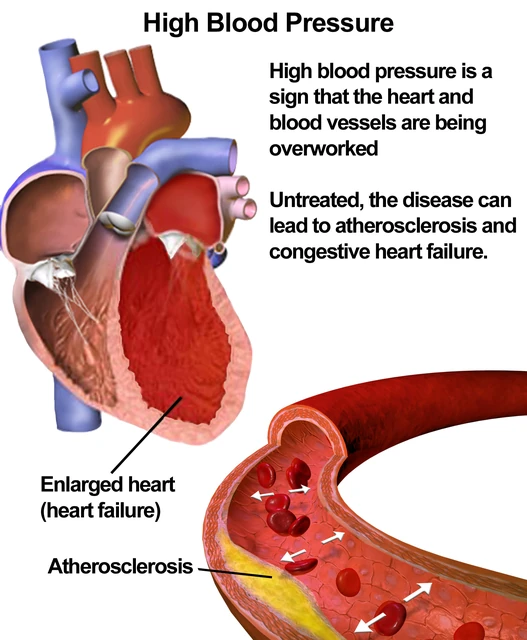
Diabetes care includes reducing longer-term health risks, not only lowering a glucose result. Blood pressure, cholesterol and appropriate complication checks belong in the follow-up plan. Ask your team which targets and checks apply to you and when each is next due. [5] [8]
What can I ask at my appointment?
- Which type of glucose problem do I have, and what tests confirm it?
- What monitoring, screening and sick-day plan are appropriate for me?
Sources and evidence
Numbered references connect the information above to these clinical guidelines and patient resources. Access dates are listed with each source.
- Types of diabetesHealthHub, Ministry of Health Singapore · accessed 19 November 2026
- What is diabetes?HealthHub, Ministry of Health Singapore · accessed 19 November 2026
- Diabetes Tests & DiagnosisNational Institute of Diabetes and Digestive and Kidney Diseases · accessed 19 November 2026
- Managing pre-diabetes — a growing health concernAgency for Care Effectiveness, Singapore · accessed 19 November 2026
- How to manage diabetesHealthHub, Ministry of Health Singapore · accessed 19 November 2026
- Tips for those with Type 1 diabetesHealthHub, Ministry of Health Singapore · accessed 19 November 2026
- Low Blood Sugar (Hypoglycaemia)National University Health System · accessed 19 November 2026
- Treatment targets and monitoringHealthHub, Ministry of Health Singapore · accessed 19 November 2026