General health information. Your doctor can help interpret it for your circumstances.
Your blood pressure is high in the clinic but lower at home. Which reading counts? Or perhaps your readings have improved and you wonder whether you still need tablets. The pattern, measuring method and your overall health all matter.
High blood pressure may have no symptoms
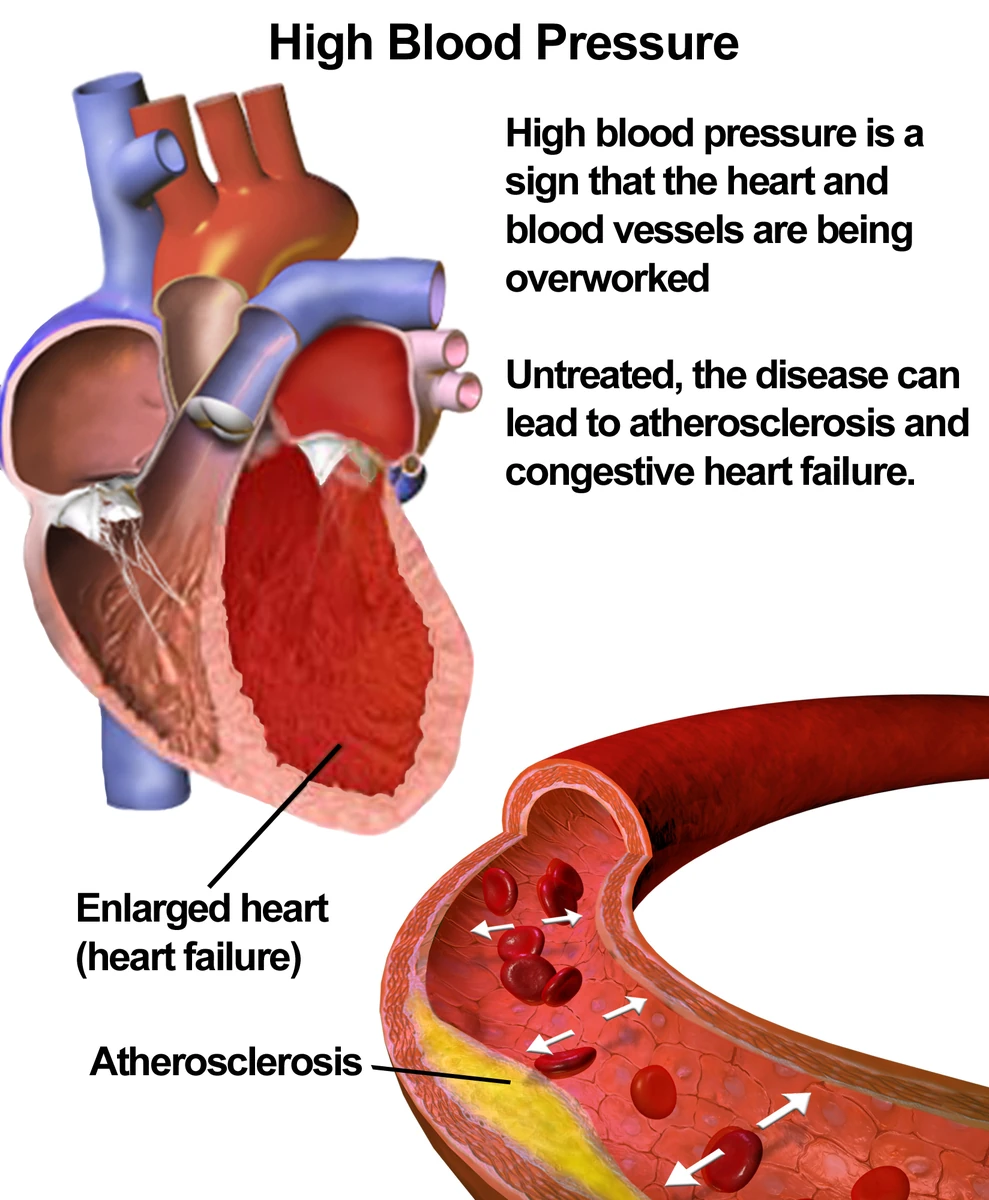
Hypertension, or high blood pressure, means blood pressure remains too high. Over time, it can damage the heart, brain and kidneys. Most people do not feel unwell, so feeling well does not show that blood pressure is controlled. It is often discovered during a routine health check. [1]
The first number describes pressure when the heart contracts; the second describes pressure between beats. A single elevated reading does not usually establish persistent hypertension. Your doctor interprets repeated measurements alongside your health history, rather than using symptoms or one number alone. [3]
Why is my blood pressure different at home?
Blood pressure changes through the day, and the clinic setting can affect it. Some people have raised clinic readings with lower measurements outside the clinic; others have the opposite pattern. Your doctor may use home monitoring or ambulatory monitoring to clarify what is happening. One reassuring home reading should not cancel out a repeated pattern that needs assessment. [2]
The practical next step is to check the method rather than repeatedly chasing a better number. Ask your care team to check the monitor and cuff fit, demonstrate the technique and give you a recording schedule. Bring the full series of readings so your doctor can interpret the pattern rather than a few selected results. [2]
What does a realistic blood pressure plan look like?
A useful plan deals with daily habits and treatment together. For meals eaten outside the home, discuss manageable ways to reduce salt; for a sedentary workday, agree activity that fits your abilities. Smoking, alcohol and weight may also need attention. Lifestyle changes remain useful even when medicine is necessary. [3]
Tell your doctor about dizziness on standing, missed doses and other medicines, including non-prescription products. The aim is a safe, sustainable result, especially if you have frailty, kidney disease or several conditions. If the plan changes, leave knowing when to check again and when a symptom or unusual reading warrants earlier contact. [1] [2] [4]
A more useful home blood pressure record
Follow the measuring schedule your clinician recommends and include enough context to interpret the readings.
| Record | Use at review |
|---|---|
| Date, time and complete readings | Shows a pattern rather than one unusually high or low result. [2] |
| Symptoms such as dizziness | Helps assess whether treatment is suitable and tolerated. [2] |
| Current medicines and missed doses | Helps identify reasons readings or symptoms have changed. [2] [4] |
A home-monitoring plan is for ongoing care. New chest pain, breathlessness or stroke symptoms need urgent assessment rather than more measurements.
Home blood pressure monitoring and assessment
Clinic and home readings can differ. Your doctor may recommend home monitoring or a monitor worn through the day and night. Ask for a demonstration and an agreed recording schedule. Bring the readings to review so that treatment decisions reflect your usual blood pressure. [2]
Assessment also considers cardiovascular risk, other conditions and medicines. Kidney disease, hormonal problems, sleep apnoea and some medicines can contribute to high blood pressure. Additional evaluation may be appropriate when readings are difficult to control or the pattern is unusual. [1]
Hypertension treatment and ongoing review
A sustainable plan includes healthier meals with less salt, regular activity, stopping smoking, limiting alcohol and weight management where appropriate. Changes should fit your medical conditions and abilities. Many people still need blood pressure medicines, and more than one medicine may be necessary. [3]
Targets and medication choices are personalised, especially when someone has diabetes, kidney disease, frailty or dizziness on standing. Follow-up checks the response to treatment, possible adverse effects and cardiovascular risk. Blood or urine tests may be needed to assess kidney health and the effects of treatment. [2]
Keep taking prescribed medicines and attend planned reviews even when you feel well. Arrange an earlier appointment if readings remain higher than usual or you develop giddiness or headaches. Bring your medicines and home record to help your doctor decide whether the plan needs adjusting. [4]
The interval between reviews depends on your progress. Follow-up is usually closer after starting or changing treatment, when readings remain high or when other conditions increase your risk. Ask when to contact the clinic between planned appointments. [2]
When to seek help
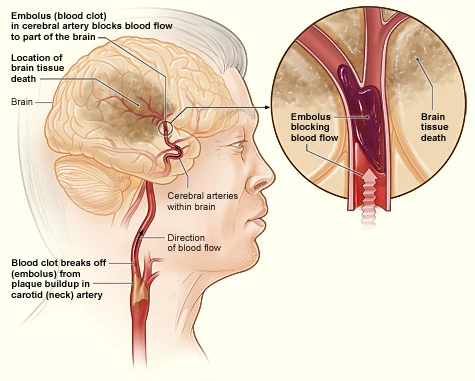
Seek emergency assessment for chest pain, breathlessness, severe headache, new weakness or numbness, or difficulty speaking, seeing or walking. These symptoms need urgent care; do not wait for your next blood pressure appointment. [4]
For a life-threatening emergency in Singapore, call 995. MOH emergency information.
Frequently asked questions
Can high blood pressure cause no symptoms?
Yes. Hypertension often stays silent while increasing the risk of damage to the heart, brain and kidneys over time. A headache is not required for the diagnosis, and an absence of symptoms is not a reason to miss checks or discontinue prescribed treatment. [1] [3] [4]
Is one high reading enough to diagnose hypertension?
Usually, repeated measurements and the clinical circumstances are needed. Your doctor may recommend home or ambulatory monitoring, particularly when clinic and home readings differ. A very high reading with concerning symptoms is a different situation and requires urgent medical assessment rather than waiting for routine confirmation. [2] [3] [4]
Why might I need more than one blood pressure medicine?
Many people need more than one medicine to reach an appropriate target. The choice depends on your response, other conditions and possible side effects. Needing additional treatment does not mean healthy habits are pointless; they remain part of blood pressure and cardiovascular risk management. [2] [3]
What can I ask at my appointment?
- What blood pressure range and home-monitoring method are appropriate for me?
- When should I be reviewed, and which symptoms or readings mean I should seek help sooner?
Sources and evidence
Numbered references connect the information above to these clinical guidelines and patient resources. Access dates are listed with each source.
- HypertensionSingapore General Hospital / SingHealth · accessed 19 November 2026
- Hypertension – tailoring the management plan to optimise blood pressure controlAgency for Care Effectiveness, Singapore · accessed 19 November 2026
- HypertensionWorld Health Organization · accessed 19 November 2026
- High blood pressureMinistry of Health Singapore · accessed 19 November 2026