General health information. Your doctor can help interpret it for your circumstances.
Someone suddenly stops responding, or a family member has a convulsive seizure. Knowing what to observe and how to help is more useful than trying to diagnose the event on the spot.
Epilepsy symptoms and different types of seizures
A seizure happens when abnormal electrical activity in the brain temporarily affects how a person feels, behaves or moves. Epilepsy means a person has a tendency to recurrent seizures. Epilepsy symptoms depend on where seizure activity starts and how it spreads, so seizures do not all look the same. [1]
Some seizures cause stiffening, jerking and loss of consciousness. Others involve brief staring, unusual sensations, confusion or movements the person does not remember. A seizure can have causes other than epilepsy. Anyone with a possible first seizure needs assessment to understand what happened and what care is required. [3]
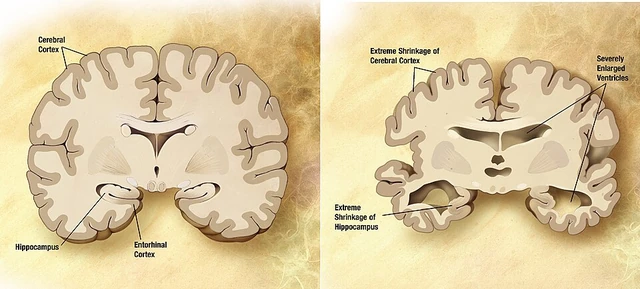
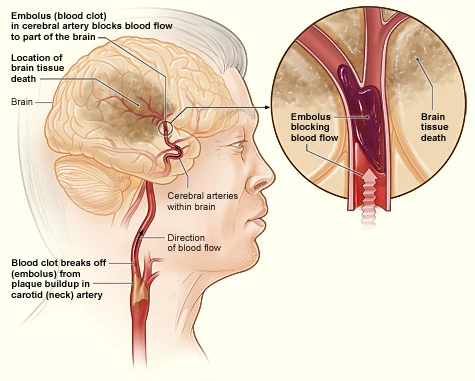
Epilepsy has several possible causes, including genetic factors, previous stroke, serious head injury or a brain infection. Sometimes no cause is identified. Epilepsy is not contagious. Effective treatment can control seizures for many people; the choice depends on the type of epilepsy and the person’s circumstances. [2]
What should a witness tell the doctor?
Start with what you saw rather than the label you think fits. Was there a warning or unusual sensation? Did the person respond, stare, fall, stiffen or jerk? Note when it began, how long it lasted and how awareness and behaviour returned afterwards. These details help the clinician understand an event the person may not remember. [4]
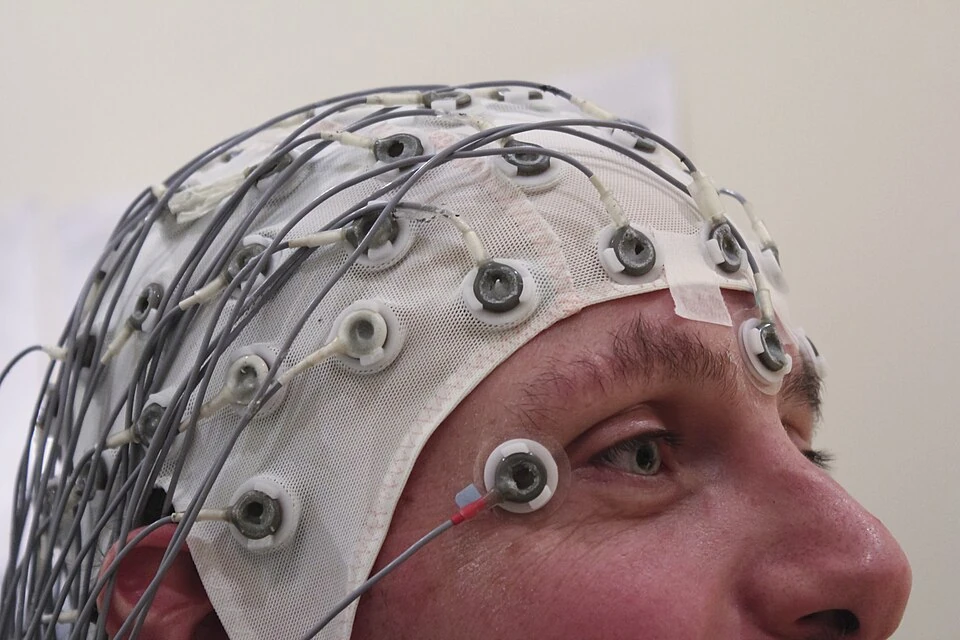
If someone can attend the assessment with the person, their account may help. A specialist may consider tests such as an EEG or brain imaging, depending on the circumstances. Seizures have different causes and appearances, so the diagnosis should not be based on whether the event matched a familiar image of a fit. [3]
What does a useful everyday seizure plan cover?
The plan should explain how family, friends or colleagues can help, when emergency care is needed and whether any rescue medicine has been prescribed. Anyone expected to give it needs the appropriate training and instructions. Record the usual seizure pattern so a longer or different event can be recognised. [3]
Discuss daily activities and routines as well as medicine. Adequate rest and taking prescribed treatment regularly are useful parts of epilepsy care. Ask specifically about safety around water, heights, machinery and travel. Do not assume that the same precautions fit every person or that feeling well means treatment can stop. [1]
Seizure first aid: a short sequence
Keep calm and follow the person’s care plan if one is available.
| Step | Action |
|---|---|
| Time and protect | Note the start; cushion the head and clear nearby hazards. [4] |
| Avoid harmful actions | Do not restrain or put objects in the mouth. [1] |
| After the jerking stops | Turn onto the side, stay nearby and offer no drink until fully recovered. [4] |
| Get emergency help | For a first seizure, prolonged seizure, poor recovery, serious injury or breathing difficulty. [4] |
Use any earlier emergency threshold in the care plan. In Singapore, call 995 for an emergency ambulance.
Epilepsy assessment, EEG tests and treatment
A description of the event is important for diagnosis. A clinician may arrange an electroencephalogram, or EEG, to record brain electrical activity, and brain imaging to look for structural causes. Share what witnesses noticed before, during and after the event, including changes in awareness and how recovery occurred. [1] [4]
Anti-seizure medicines are the main treatment. The care team reviews which option suits the seizure type and other health needs. Take medicines as prescribed and discuss side effects; do not change or stop treatment without specialist advice. Pregnancy planning needs an early discussion because some epilepsy medicines can harm a developing baby. [3]
Epilepsy follow-up and daily safety
Keep a seizure diary and agree a care plan describing what to do during an episode. Reviews should cover seizure control, treatment problems and everyday safety. Discuss swimming, bathing, heights, machinery and driving with the care team. Tell family or friends how to help, and consider carrying medical identification. [3]
Seizure first aid: how to help
- Time the seizure, cushion the person’s head and move nearby hazards away. Move the person only if they are in danger. [4]
- Do not restrain the person or put anything in their mouth. [1]
- After the jerking stops, turn them onto their side. Stay with them, speak calmly and offer no food or drink until fully recovered. [4]
- Use prescribed emergency medicine only if you have been trained and are following the person’s care plan. [4]
When to seek help
Call emergency services for a first seizure, one lasting five minutes or more or longer than usual, repeated seizures without recovery, failure to regain consciousness, serious injury or difficulty breathing afterwards. Follow any earlier emergency threshold in the person’s care plan. [4]
For a life-threatening emergency in Singapore, call 995. MOH emergency information.
Frequently asked questions
Can a seizure happen without shaking?
Yes. Seizures can cause brief changes in awareness, staring, unusual sensations or behaviour as well as convulsions. A clinician needs the event history and appropriate assessment to identify the cause. Brief or less dramatic episodes should not be dismissed simply because there was no obvious shaking. [2]
Should I put a spoon or my fingers in the person’s mouth?
No. Put nothing in their mouth and do not restrain them. Protect the head and clear hazards instead. After the jerking stops, position them on their side and remain with them while they recover. Give no food or drink until they have fully recovered. [1] [4]
If seizures are controlled, can I stop my medicine?
Do not change or stop anti-seizure medicine on your own. The decision needs a specialist discussion of seizure control, the type of epilepsy and individual risks. Raise side effects, missed doses or pregnancy plans early so the team can advise on a safe treatment plan. [3]
What can I ask at my appointment?
- What should our written seizure plan say, including when to call for emergency help?
- Which activities, medicine interactions or pregnancy plans need a specific safety discussion?
Sources and evidence
Numbered references connect the information above to these clinical guidelines and patient resources. Access dates are listed with each source.
- Epilepsy: Causes, Symptoms, Diagnosis and TreatmentSingHealth / National Neuroscience Institute · accessed 19 November 2026
- EpilepsyWorld Health Organization · accessed 19 November 2026
- EpilepsyNHS · accessed 19 November 2026
- What to do if someone has a seizure (fit)NHS · accessed 19 November 2026