General health information. Your doctor can help interpret it for your circumstances.
A forgotten name is one thing; repeatedly missing bills or getting lost on a familiar route is a different kind of change. The pattern, pace and effect on independence help guide what to do next.
Dementia symptoms and changes in everyday life
Dementia describes changes in thinking abilities that interfere with everyday life. It is not a normal part of ageing. Dementia symptoms can affect memory, attention, judgement, language and the ability to manage familiar activities. Changes usually progress over time, making timely assessment and practical support important. [1]
Examples include repeatedly losing track of recent events, struggling with familiar tasks, getting lost, finding conversations harder or making uncharacteristic decisions. Changes in personality, mood or motivation may also occur. Occasional forgetfulness alone does not establish dementia; clinicians look at the wider pattern and its effect on daily functioning. [1]
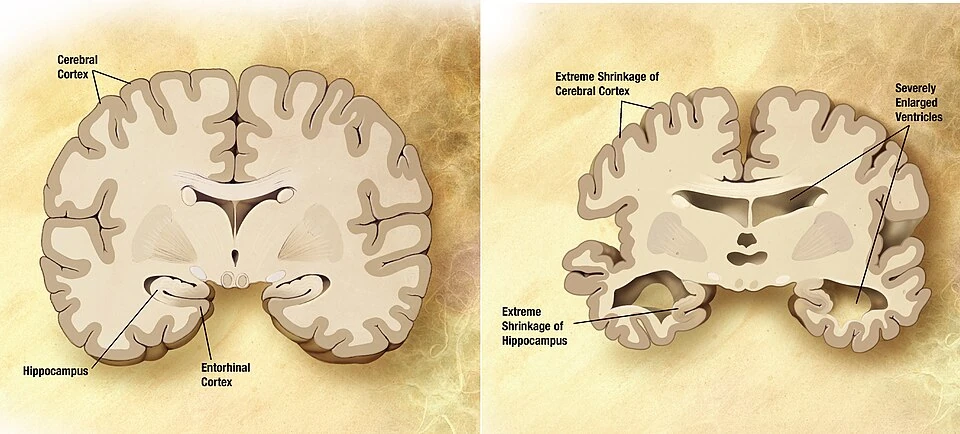
Several diseases can cause dementia. Alzheimer’s disease is the most common; vascular dementia, dementia with Lewy bodies and frontotemporal dementia are other forms. Symptoms and support needs differ between people, and more than one type may occur together. Dementia can also affect younger adults. [2]
What examples help at a memory assessment?
Write down changes in familiar activities: cooking, shopping, bills or finding the way home. Include when they started and how often they occur. With the person’s agreement, someone who knows them well can describe the change from their usual abilities. [3]
Bring the current medicine list too. Assessment may consider mood, physical health and medicines as well as cognitive testing. Memory difficulties can have other explanations, so a checklist or one forgotten appointment cannot settle the diagnosis. The clinician may arrange tests or recommend specialist assessment to clarify what is happening. [3]
How do we plan support without taking over everything?
Start with the activity that matters to the person and the difficulty that is actually occurring. Predictable routines, reminders and support from trusted people may help maintain participation. As needs change, review what assistance is useful rather than assuming the same arrangement will always be enough. [2]
An abrupt change over hours or days needs a different response. New confusion, disorientation or inability to pay attention can reflect an acute illness. Seek emergency assessment instead of waiting for a routine memory review. While help is arranged, stay with the person, use calm short sentences and bring the medicine details. [4]
Gradual memory change or sudden confusion?
The timing helps decide the next step; it does not establish the cause.
| What you notice | What to do |
|---|---|
| Gradually increasing difficulty with familiar tasks | Arrange a GP assessment and bring specific examples. [3] |
| A person already diagnosed needs more daily support | Discuss changing needs with the care team and involve the person. [2] |
| New confusion or disorientation developing suddenly | Seek emergency medical assessment; do not assume dementia progression. [4] |
| While waiting for emergency help | Stay nearby, reassure calmly and prepare a medicine list. [4] |
This is a guide to seeking care, not a home test for dementia or delirium.
Dementia and memory assessment
A clinician asks about memory, thinking, general health and daily activities. If you agree, someone who knows you well can describe changes they have noticed. Cognitive testing, a physical examination and blood or urine tests may help. Some people are referred to a specialist or memory service for further assessment. [3]
Bring examples of tasks that have become harder and a list of medicines. Memory problems can have other causes, including depression, thyroid problems and medicine side effects. Assessment helps identify these possibilities and plan appropriate care. A diagnosis also gives the person and family an opportunity to prepare for the future. [3]
Dementia care and caregiver support
Treatment aims to support quality of life and daily functioning. Depending on the cause, medicines may help some symptoms. Physical activity, social connection, meaningful activities and support for carers are also important. Regular check-ups allow the care plan to adapt as the person’s abilities and needs change. [2]
Discuss preferences for future support while the person can participate in decisions. Identify trusted people who can help with choices and communication. Memory aids, enjoyable routines and community support can be useful. Carers should also seek help, maintain their own health and arrange breaks when needed. [2]
Changes in judgement can create practical safety concerns, such as leaving cooking unattended or becoming lost. Explain the specific difficulty to the care team so support matches the person’s situation. As daily activities become harder, additional assistance or supervision may be needed to help the person function safely. [1]
When to seek help
Sudden confusion needs emergency medical assessment, including in someone who already has dementia. Seek emergency care now or call emergency services. Do not assume an abrupt change is dementia progression. Stay with the person, reassure them calmly and bring a medicine list if possible. [4]
For a life-threatening emergency in Singapore, call 995. MOH emergency information.
Frequently asked questions
Does forgetfulness always mean dementia?
No. Mood problems, thyroid disease and medicine effects can also affect memory. Assessment considers the history, examination and daily functioning, sometimes with tests. A gradual change that concerns you is worth discussing even when the cause is not yet clear. [3]
Can someone with dementia still take part in care decisions?
They should be supported to participate as far as possible. Discuss preferences, meaningful routines and future support early, while the person can contribute. Needs and abilities change over time, so decisions and practical help should be reviewed rather than treating the diagnosis as the end of involvement. [2]
What if someone with dementia suddenly becomes much more confused?
Seek emergency assessment. Sudden confusion can have an acute, treatable cause and may be serious. Stay with the person, speak calmly and bring details of medicines. An existing dementia diagnosis is not a reason to dismiss a rapid change as expected deterioration. [4]
What can I ask at my appointment?
- What other causes of these changes should we check, and is specialist assessment needed?
- What support would help daily life now, and how can we plan for future care needs?
Sources and evidence
Numbered references connect the information above to these clinical guidelines and patient resources. Access dates are listed with each source.
- Dementia: When The Brain Is IllHealthHub · accessed 19 November 2026
- DementiaWorld Health Organization · accessed 19 November 2026
- How to get a dementia diagnosisNHS · accessed 19 November 2026
- Sudden confusion (delirium)NHS · accessed 19 November 2026