General health information. Your doctor can help interpret it for your circumstances.
Sometimes the first change is not crying. It is losing interest in a favourite meal, taking much longer to get ready or feeling that ordinary tasks have become too heavy.
Depression symptoms and major depressive disorder
Major depression, also called major depressive disorder, involves persistent low mood or a loss of interest or pleasure. During a depressive episode, symptoms usually occur for most of the day, nearly every day, for at least two weeks. Their effect on everyday functioning helps determine how severe the condition is. [2]
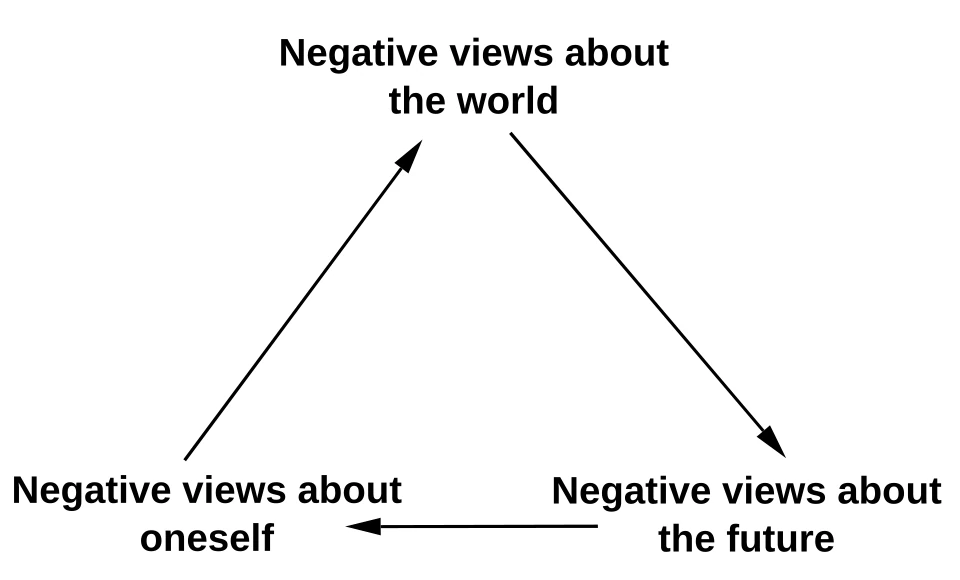
Other depression symptoms can include tiredness, poor concentration, disrupted sleep, appetite or weight changes, excessive guilt and hopelessness. Depression can affect relationships, work and self-care. Some people have thoughts of death or suicide. You can seek help before two weeks if symptoms are distressing, worsening or affecting your safety. [2]
Depression is a real health condition and is not a sign of weak character. It may follow stressful events, but sometimes there is no obvious trigger. Arrange an appointment if you think you may be depressed. Recovery is possible with suitable treatment and support, even when talking about symptoms feels difficult. [3]
What should I say if I am still managing to go to work?
Being able to turn up does not describe the whole picture. Explain the effort involved and what has changed elsewhere: meals, friendships, sleep, housework or activities you usually enjoy. Depression can affect several parts of life differently, so a clear account of your typical day is more useful than judging whether you are coping well enough to deserve help. [2]
At assessment, share when symptoms began, any previous episodes and your physical health history. A questionnaire may support the discussion, while examination or blood tests may help explore other factors. With your consent, someone close to you can provide useful observations if describing the changes is difficult. [1]
How can I tell whether the treatment plan is helping?
Agree what improvement would mean for you. It might be managing a regular meal, returning to an activity or finding it easier to concentrate, alongside changes in mood. Treatment can combine practical support, talking therapy and medicine according to severity and preferences. Your plan should include a review rather than leave you wondering how long to wait. [3]
Antidepressant benefits are not usually immediate, and some changes may appear before others. Discuss unwanted effects and worsening symptoms promptly. Do not decide by yourself to stop because you feel better or because improvement is slow; the prescriber can explain the next step and appropriate duration. [1]
Prepare three examples for a depression review
A few brief notes can make a difficult conversation easier.
| Area | What to describe |
|---|---|
| Mood and interest | What feels different, and what no longer feels enjoyable? [2] |
| Daily routine | Changes in sleep, appetite, energy or concentration. [3] |
| Treatment experience | Benefits, unwanted effects or practical difficulties. [1] |
| Support | What help would make everyday tasks more manageable? [3] |
If you cannot keep yourself safe, seek emergency help immediately rather than waiting for a routine review.
Depression assessment and diagnosis
A healthcare professional asks about symptoms, previous mental and physical health, family history, and their impact on daily activities. A questionnaire may help assess severity. Physical examination or blood tests may be appropriate. With your agreement, a family member may help describe changes you have experienced. [1]
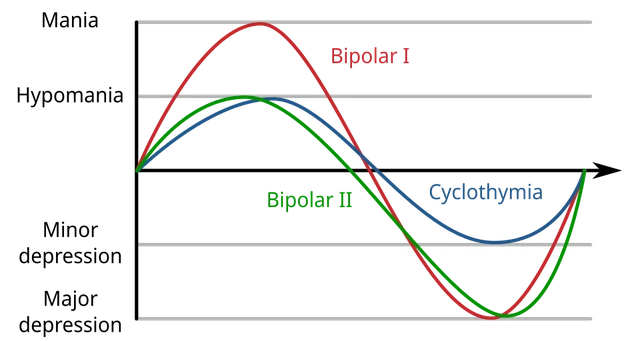
Mention any past periods of unusually elevated or irritable mood, increased activity and much less need for sleep. Depressive episodes can also occur in bipolar disorder, which needs a different assessment and treatment approach. A symptom checklist alone cannot establish the full diagnosis. [2]
Depression treatment: talking therapy and medicines
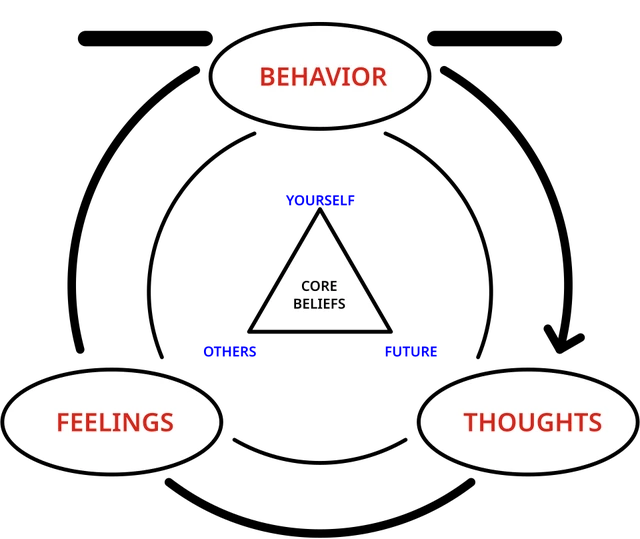
The plan may include talking therapy, supported self-help, lifestyle measures or antidepressant medicine, according to symptom severity and individual needs. Cognitive behavioural therapy is one option. More severe depression may require specialist care. Discuss what matters to you, the expected benefits and any concerns about treatment. [3]
Depression follow-up and recovery support
Medicines do not usually produce their full benefit immediately. Follow-up gives you a chance to discuss progress, side effects and difficulties following the plan. Continuing or stopping medicine needs professional advice; treatment may continue after symptoms improve to reduce the chance of further episodes. Tell the clinician if symptoms worsen. [1]
Small, manageable steps with activity, regular meals, sleep and connection with other people can support recovery. Ask trusted people for practical help when daily tasks feel difficult. Let your healthcare professional know if you need more support at home or if the current plan is not helping. [3]
When to seek help
If you cannot keep yourself safe, or someone’s life is at risk, seek emergency care now or call emergency services. You deserve immediate support. If you need urgent mental health help without immediate danger, seek an urgent clinical assessment. [4]
For a life-threatening emergency in Singapore, call 995. MOH emergency information.
Frequently asked questions
Can depression happen without an obvious trigger?
Yes. Depression can follow stressful events, but some people do not identify a clear cause. A lack of an obvious trigger does not make the symptoms less real or mean you should manage alone. Persistent symptoms and their effect on your life are reasons to seek assessment. [3]
Do I have to wait two weeks before asking for help?
No. Two weeks is part of the usual description of a depressive episode, not a rule that prevents earlier help. Arrange assessment sooner if symptoms are distressing, worsening or affecting safety. A clinician can consider what support is appropriate before the full pattern becomes clear. [2]
Will I definitely need antidepressants?
No single treatment fits everyone. The plan depends on severity, preferences, previous experience and other health needs. Talking therapy, supported self-help and practical measures may be discussed, with medicines appropriate in some situations. Ask about the options and how the chosen approach will be reviewed. [1] [3]
What can I ask at my appointment?
- What improvement should I look for, and when will we review whether the plan is working?
- Who should I contact if my mood worsens or treatment causes problems between appointments?
Sources and evidence
Numbered references connect the information above to these clinical guidelines and patient resources. Access dates are listed with each source.
- MindSG: Understanding depressionHealthHub / Health Promotion Board · accessed 19 November 2026
- Depressive disorder (depression)World Health Organization · accessed 19 November 2026
- Overview: Depression in adultsNHS · accessed 19 November 2026
- Where to get urgent help for mental healthNHS · accessed 19 November 2026