General health information. Your doctor can help interpret it for your circumstances.
You can finish a normal workday but wake coughing at night, or keep reaching for an inhaler before a short walk. Those details belong in an asthma review just as much as an obvious attack.
Asthma symptoms: wheezing, cough and breathlessness
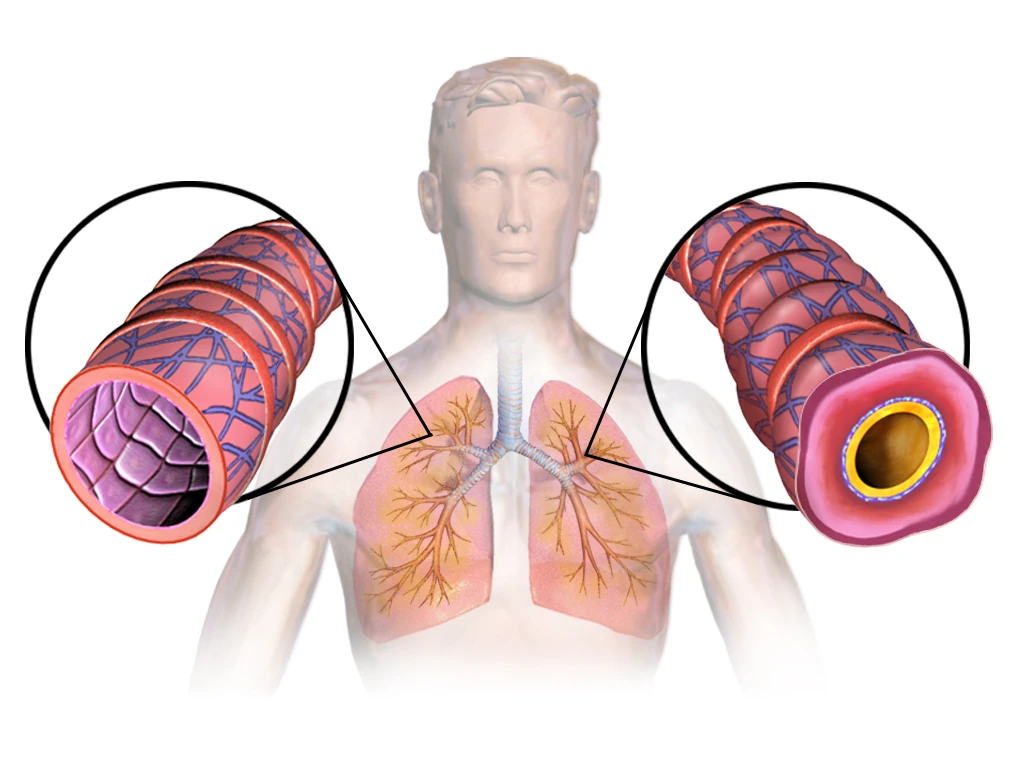
Asthma causes inflammation and variable narrowing of the airways. Asthma symptoms include wheezing, cough, breathlessness and chest tightness. They may come and go, disturb sleep or appear with exercise, respiratory infections or exposure to allergens. A doctor needs to assess these symptoms because other conditions can cause similar breathing problems. [1]
Having few symptoms between episodes does not remove the risk of a serious attack. Reviews therefore consider both how you feel now and your risk of future flare-ups, including previous attacks and how you use your treatment. [2]
Why do I still need an asthma plan when I feel well?
Asthma varies over time. You may notice no wheeze during an appointment even though cough or breathlessness interrupted the previous week. That is why diagnosis and follow-up use the history as well as breathing tests. An assessment can include whether symptoms change with exercise, infections or exposure to allergens, and whether there have been previous severe episodes. A normal test on a good day may need to be repeated. For children, the way asthma is assessed and the most suitable device depend on age; an adult relative’s inhaler plan should not simply be copied. [1]
What should I do if my inhaler seems less effective?
Start by telling your care team what has changed: symptoms at night, missed activities, more reliever use or difficulty getting medicine into your lungs. Bring the actual device so someone can watch the technique. Different inhalers require different actions, and instructions for a dry-powder device are not interchangeable with those for a pressurised inhaler. Check which medicine is taken regularly and which is used for symptoms. Some prescribed combination inhalers have both roles. Follow your own action plan rather than deciding what an inhaler does from its colour alone. [3]
A useful asthma review starts with these details
Keep a short note on your phone and bring your devices.
| What to record | An example to describe |
|---|---|
| Symptoms at night | How often cough, wheeze or tightness woke you. [2] |
| Activity and reliever use | Whether walking, exercise or work changed, and when extra relief was needed. [2] |
| Medicines and past attacks | Missed doses, difficulties using the device and any urgent visits. [2] |
If breathing is severe or worsening, use the emergency instructions below rather than waiting for a scheduled review.
Asthma diagnosis and spirometry
Assessment combines your symptom history with breathing tests, usually spirometry before and after an airway-opening medicine. A peak-flow diary or further testing may be needed. A normal result on one day does not always exclude asthma, so tests may be repeated. Children's investigations and inhaler choices depend on their age. [1]
Asthma inhalers: preventers and relievers
Long-term treatment should include an inhaled corticosteroid to address airway inflammation. Depending on your age, symptoms and attack risk, your clinician may choose a regular preventer with a reliever, or a suitable corticosteroid-containing combination inhaler. A short-acting blue reliever alone is not recommended for routine long-term treatment in people aged six and above. [2]
Ask someone on your care team to watch you use your inhaler and explain its purpose. Different devices need different techniques. Follow your prescribed plan and discuss side effects or difficulties rather than adjusting treatment yourself. [3]
Asthma reviews and a written action plan
Before a review, record daytime symptoms, night waking, reliever use, missed activities and any attacks since your last visit. Bring all your inhalers. These details help your clinician assess control, check technique and adherence, and decide whether treatment needs changing. [2]
- Keep a written asthma action plan explaining your usual medicines, how to recognise worsening symptoms and when to get help. Arrange an earlier review if symptoms wake you or you need your reliever more often. [3]
- Discuss smoke exposure, individual triggers, exercise and recommended vaccinations. After an asthma attack, arrange prompt follow-up even if you have recovered. [3]
When to seek help
Seek emergency help during an attack if breathing worsens, your prescribed reliever does not help as set out in your action plan, or you have no inhaler. Sit upright and follow your action plan while help is arranged. Do not drive yourself to emergency care. [3]
For a life-threatening emergency in Singapore, call 995. MOH emergency information.
Frequently asked questions
Can asthma cause a cough without obvious wheezing?
Yes. Cough can be part of asthma, and symptoms can vary from one episode to another. However, cough has many other causes. A clinician needs to consider the pattern, examine you and decide whether breathing tests or another assessment is appropriate before labelling it asthma. [1]
Can I use only a blue inhaler?
A short-acting blue reliever alone is not recommended for routine long-term asthma treatment in people aged six and above. Treatment should address inflammation with an inhaled corticosteroid. The exact preventer and reliever arrangement depends on age, symptoms and attack risk, so ask for your prescribed plan to be explained. [2]
Should I stop exercising because I have asthma?
Usually the aim is to make activity possible with good asthma care. If exercise brings on symptoms, ask your care team how to exercise safely and whether your treatment needs reviewing. Repeatedly avoiding activity without an assessment can leave an important sign of poor asthma control unaddressed. [3]
What can I ask at my appointment?
- Which inhaler treats inflammation, and what should I do if my symptoms worsen?
- What do my symptoms, inhaler use and breathing tests tell us about my asthma control?
Sources and evidence
Numbered references connect the information above to these clinical guidelines and patient resources. Access dates are listed with each source.
- 2026 Summary Guide for Asthma Management and PreventionGlobal Initiative for Asthma · accessed 19 November 2026
- Asthma — optimising long-term management with inhaled corticosteroidAgency for Care Effectiveness, Ministry of Health Singapore · accessed 19 November 2026
- AsthmaNHS · accessed 19 November 2026