General health information. Your doctor can help interpret it for your circumstances.
You wake sneezing, carry tissues through meetings and feel blocked up again by bedtime. If this keeps happening, the useful question is what is driving the pattern and whether the treatment matches it.
Allergic rhinitis symptoms and triggers
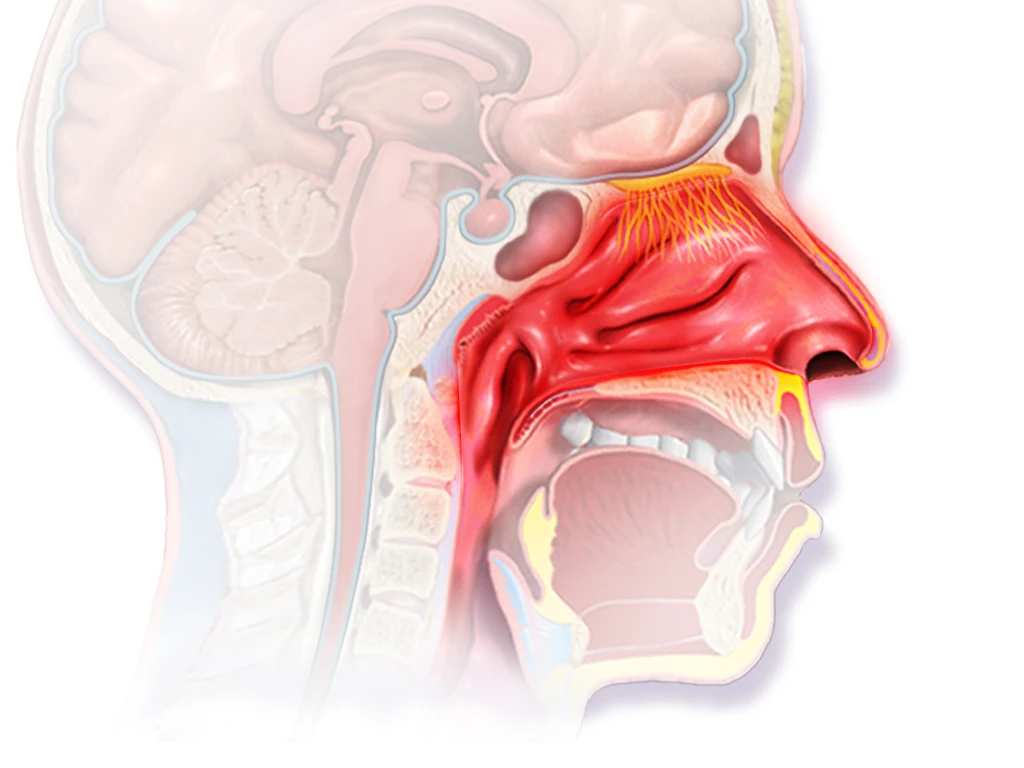
Allergic rhinitis is an immune reaction to an environmental allergen. Allergic rhinitis symptoms include a blocked or runny nose, sneezing, post-nasal drip and itchy, watery eyes. Dust mites, mould and pollen are possible triggers. Similar symptoms can occur without allergy, so persistent nasal symptoms deserve assessment. [1] [3]
Do I need an allergy test for a sensitive nose?
A careful history is often more useful at the first visit than ordering a wide test panel. Consider whether symptoms happen in bed, during cleaning, around animals or at a particular workplace, and whether itchy eyes occur at the same time. These observations do not prove an allergy, but they can guide assessment. Testing may be considered if the diagnosis is uncertain, appropriate treatment has not controlled symptoms, or immunotherapy is being discussed. A positive result means sensitisation; it needs to match the symptoms and actual exposure before it is treated as the explanation. [2]
Why does my blocked nose keep returning after a spray?
Check the name of the product rather than assuming all nasal sprays do the same thing. Decongestant sprays give short-term relief, but prolonged use can make blockage worse. Corticosteroid sprays work differently and need the technique and schedule explained. If symptoms persist, bring the bottle to an appointment and say exactly how it has been used. At home, regular bedding washing, damp-dusting and dealing with mould may support symptom control. These steps are worth tailoring to relevant exposures rather than trying to remove every possible allergen at once. [3]
Know what your nasal treatment is for
The product label matters more than the shape of the bottle.
| Treatment type | Useful question |
|---|---|
| Antihistamine | Which symptoms should it help, and might it make me sleepy? [2] |
| Corticosteroid nasal spray | How do I use it correctly and when should we review its effect? [2] |
| Decongestant nasal spray | What is the maximum short course for this product? [3] |
Keep a list of products tried, how long you used them and whether they helped.
Allergic rhinitis assessment and allergy testing
Your doctor will ask about symptom timing, exposures and effects on sleep, work or school, and examine your nose. Allergy tests are not routinely necessary. They may help when the diagnosis is uncertain, symptoms persist despite suitable treatment, or allergen immunotherapy is being considered. A positive test shows sensitisation and must be interpreted alongside your symptoms and exposures. [2]
Persistent blockage on one side or pus-like discharge may suggest another nasal problem and warrants an in-person assessment, rather than repeatedly treating it as an allergy. [2]
Allergic rhinitis treatment: nasal sprays and antihistamines
Options include a corticosteroid nasal spray, a newer-generation oral antihistamine, or a combined corticosteroid and antihistamine nasal spray. The choice depends on your symptoms, preferences and tolerability. Ask how to use the medicine correctly and when to review its effect. Treatment can be adjusted if control remains poor despite correct use. [2]
Decongestant sprays are different from corticosteroid sprays. Using nasal decongestants beyond a short course can make blockage worse. Check the product instructions and ask a pharmacist about suitability, especially for children. Salt-water sprays or rinses may help; follow safe preparation and cleaning instructions, including using boiled then cooled water when preparing a rinse. [3]
Trigger management and follow-up
Practical measures include washing bedding regularly, damp-dusting and addressing damp or mould at home. Reducing exposure can support symptom control, but avoiding every allergen is not always possible. Seek a review if symptoms affect sleep or daily activities, pharmacy treatment is ineffective, or associated asthma is worsening. [3]
For selected people with severe, prolonged symptoms despite conventional treatment, a specialist may discuss allergen immunotherapy. This aims to change the response to a relevant allergen and involves a sustained course of treatment. It requires assessment and a discussion of suitability, risks and the commitment involved. [1]
- Before an appointment, note where symptoms occur, possible dust or other exposures, and which medicines you have tried. This helps connect your symptom pattern with a possible trigger and plan the next steps. [1]
When to seek help
Sudden tongue or throat swelling, difficulty breathing or swallowing, or fainting requires emergency help. These may indicate a severe allergic reaction rather than ordinary nasal allergy. Use an adrenaline auto-injector if one has been prescribed for you and follow your emergency plan. [4]
For a life-threatening emergency in Singapore, call 995. MOH emergency information.
Frequently asked questions
Is allergic rhinitis the same as a cold?
No. Allergic rhinitis is a reaction to an environmental allergen rather than a viral infection. The symptoms can overlap with other nasal conditions, so repeated sneezing or blockage does not establish the cause by itself. Timing, associated itching and the pattern of exposure help guide the assessment. [1]
Should I worry if only one side stays blocked?
Persistent blockage on one side needs an in-person assessment, particularly if there is unusual or pus-like discharge. It should not simply be treated repeatedly as ordinary allergy. Your clinician can examine the nose and decide whether further tests or an ear, nose and throat referral are appropriate. [2]
When should I ask for a treatment review?
Arrange a review when symptoms interfere with sleep or daily activities, pharmacy treatments are not working or asthma is also worsening. Bring the medicines you have used so their role and technique can be checked. A different treatment or specialist assessment may be appropriate depending on the findings. [3]
What can I ask at my appointment?
- Is my symptom pattern consistent with allergic rhinitis, or do I need assessment for another cause?
- How should I use my nasal treatment, and when should we review whether it is working?
Sources and evidence
Numbered references connect the information above to these clinical guidelines and patient resources. Access dates are listed with each source.
- Allergic Rhinitis – Symptoms, Diagnosis & TreatmentSingHealth · accessed 19 November 2026
- Allergic rhinitis – diagnosis and managementAgency for Care Effectiveness, Ministry of Health Singapore · accessed 19 November 2026
- Allergic rhinitisNHS · accessed 19 November 2026
- AnaphylaxisNHS · accessed 19 November 2026