General health information. Your doctor can help interpret it for your circumstances.
Sleeping much less while feeling unusually energetic can look like a productive spell. If it comes with behaviour or judgement that is out of character, the whole pattern deserves attention.
Bipolar symptoms: mania, hypomania and depression
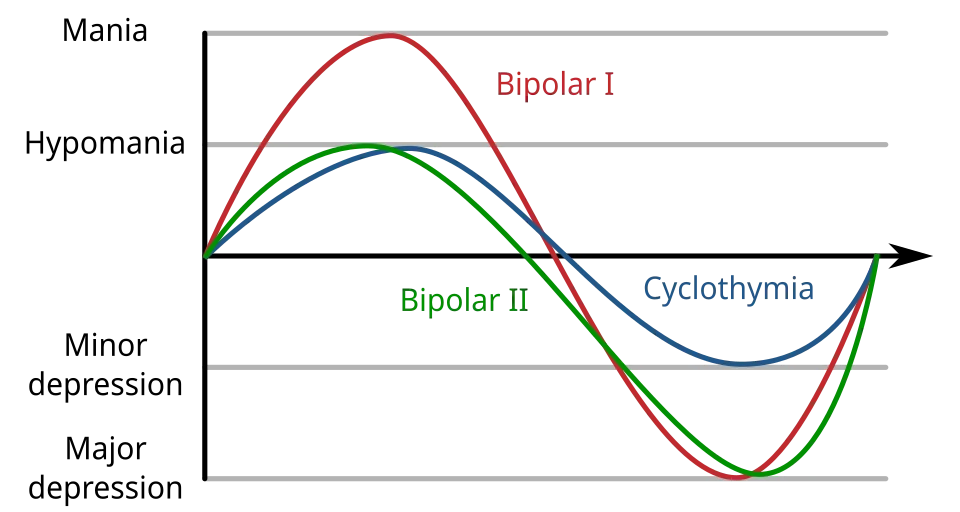
Bipolar disorder causes episodes of unusual changes in mood, energy and activity that can disrupt daily life. A person may experience mania, hypomania or depression, with periods of stability between episodes. Bipolar disorder symptoms vary: some people experience more depression, while others have more prominent high moods. A diagnosis needs clinical assessment. [1]
Mania can involve unusually high or irritable mood, much less need for sleep, racing thoughts, rapid speech, excessive confidence and risky decisions. It can become severe and include beliefs or perceptions disconnected from reality. Hypomania has similar features but is less intense. These episodes differ from ordinary changes in enthusiasm or mood. [2]
Depressive episodes can involve low mood, loss of interest, low energy, poor concentration, changes in appetite or sleep, and feelings of worthlessness or hopelessness. Sometimes depressive and manic symptoms occur together. Tell a clinician about both current difficulties and any earlier periods of unusually increased energy or reduced need for sleep. [1]
Why does the doctor ask about my past, not just today?
A low period may be easier to recognise than an earlier high one. Think back to stretches of markedly increased energy, much less need for sleep, rapid speech, unusual spending or plans that concerned people close to you. The point is to describe changes from your usual self, rather than label every busy or happy week as illness. [1]
A dated outline can help: when the change began, what others noticed, how daily life was affected and whether there were stable intervals. A psychiatrist considers this history alongside other possible explanations. The diagnosis can take time; an online checklist cannot replace that assessment. [3]
What belongs in an early warning plan?
Make the plan while things are relatively settled. Discuss which changes in sleep, activity, mood or behaviour tend to come before an episode for you. With your agreement, a trusted person can help notice those changes and know how to contact the treating team. The plan should describe your preferences as well as practical actions. [2]
If you feel unusually well and want to stop treatment, bring that question to the prescriber. Stable periods are part of bipolar disorder and do not by themselves show that medicine is no longer needed. Pregnancy plans and troubling side effects also need a planned treatment discussion. [3]
Build a mood timeline before your review
Record changes without trying to diagnose each entry yourself.
| Period | What to record |
|---|---|
| Unusually high or irritable mood | Sleep need, energy, speech and decisions. [1] |
| Low mood | Interest, energy, concentration and daily functioning. [1] |
| Stable periods | Usual routine and what has helped you stay well. [3] |
| Treatment changes | Medicines, unwanted effects and advice received. [3] |
Contact the treating team promptly for escalating symptoms; do not wait to complete a diary.
Bipolar disorder diagnosis and specialist assessment
A GP may refer someone with suspected bipolar disorder to a psychiatrist. Assessment covers moods, behaviour, physical health and family history. Diagnosis can take time because symptoms overlap with other conditions and may be different at separate appointments. Describe changes over time, including their effect on work, relationships, spending and sleep. [3]
Bipolar disorder treatment and monitoring
Care usually combines medicines with psychological and practical support. Treatment addresses current episodes and may continue to help prevent recurrence. Shared decisions should consider effectiveness, side effects and the person’s preferences. Some medicines require blood tests or other monitoring; ask which checks apply to the treatment being discussed. [2]
Keep planned reviews even during stable periods. Discuss unwanted effects or early signs of a mood change with the treating team. Do not stop prescribed bipolar medicine without medical advice. Pregnancy planning also needs a treatment review because some medicines can harm a developing baby. [3]
Mood monitoring and planning for early changes
A regular sleep routine, physical activity and mood monitoring can support ongoing care. Family education can help trusted people understand symptoms and offer useful support. Agree which early changes should prompt contact with the care team, and include the person’s preferences when preparing a plan for future episodes. [2]
Seek an urgent assessment if high moods are rapidly disrupting behaviour, judgement or sleep, particularly if the person seems out of touch with reality. Severe episodes may need a higher level of care to protect health and safety. Contact the treating team promptly when symptoms are escalating. [3]
When to seek help
If you cannot keep yourself or someone else safe, or someone’s life is at risk, seek emergency care now or call emergency services. Immediate help is appropriate for a mental health emergency. [4]
For a life-threatening emergency in Singapore, call 995. MOH emergency information.
Frequently asked questions
Is bipolar disorder the same as ordinary mood swings?
No. Bipolar episodes involve a marked change in mood, energy and activity, with effects on behaviour and daily life. Mania and hypomania are not simply feeling happy. A clinician considers the severity, pattern and history rather than diagnosing bipolar disorder from a few emotional ups and downs. [1]
Can I have bipolar disorder if I mostly feel depressed?
Depression can be the more noticeable part of the history. Tell the assessor about earlier unusually energetic or irritable periods, reduced need for sleep and out-of-character decisions. Those details can affect the diagnosis and treatment approach, even if they happened well before the current low mood. [2]
Do I still need reviews when my mood is stable?
Yes. Treatment and monitoring may continue between episodes. Reviews allow discussion of recurrence prevention, side effects, physical health and the checks required for particular medicines. Do not stop or change prescribed treatment on your own because you feel better; agree a plan with the treating professional. [3]
What can I ask at my appointment?
- Which changes in sleep, energy or behaviour should trigger an early call to the care team?
- What monitoring does this treatment need, including if pregnancy is possible?
Sources and evidence
Numbered references connect the information above to these clinical guidelines and patient resources. Access dates are listed with each source.
- Bipolar DisorderNational University Hospital · accessed 19 November 2026
- Bipolar disorderWorld Health Organization · accessed 19 November 2026
- Bipolar disorderNHS · accessed 19 November 2026
- Where to get urgent help for mental healthNHS · accessed 19 November 2026